The Epidemic of Teen Addiction


Scrolling through Snapchat on a Friday night brings the typical party formalities: “Party on 9/8, BYOE, Doors open at 8, s/u for addy” multiple people screenshot and repost. Once there, numerous people are slurring their words, barely able to stand, with red solo cups held in hand, creating the stereotypical teenage party atmosphere. But should this “typical” party culture truly be normalized?
There are often parties every single weekend – all consisting of the same words on the post. This will entail the customary drinking and smoking, but for some this party might lead to more than just fun. Thinking that these parties are all fun with no consequence causes many teens to subconsciously fall deeper into the dependence of alcohol. From a survey of 24 PRHS students, it was reported that 75 percent of students believe there is a substance dependency among students around campus.
One anonymous Bearcat mentioned the various parties they’ve attended and thrown, seeing first-hand the influences the culture has and the dangers of it,
“People our age already have issues with drinking,” they said, believing that the bigger issue is the dependency that people feel on these substances.
“I’ve heard some people drink before school to feel better,” the anonymous student said.
The addiction can seem less like a dependency and more of an urge that continues into their everyday life. The urge to drink directly affected this Bearcat, watching their friend fall to its ill nature, looking for parties to attend every weekend and developing a reliance on substances. Although they themselves cannot recognize the issue, others witness it and worry for their health.
Addiction is not the only scary part about parties, but people’s decisions when they are intoxicated. While leaving parties the words, “I only had a few, I’m sober now, and I drive better when I’m drunk,” can be heard as everyone heads home. An anonymous Bearcat repeatedly tells their friends how bad of an idea it is to drive while drunk. The California Highway Patrol agrees; with various videos and billboards against drinking and driving. Unfortunately, this doesn’t stop many teens from driving under the influence, creating fatal danger for themselves and others on the roads. The CDC reported in 2019 that 5 percent of teens answered a survey saying they had drunk and drove within 30 days.
Alcohol poisoning can also be a lethal consequence of partying, caused by the overconsumption of alcohol. This is fairly common among teens, due to their unknowing of their tolerance. One anonymous Bearcat believes that teens don’t know when to stop, making them all the more susceptible. The Newport Academy found that in 2023 roughly 2,200 deaths were due to alcohol poisoning, among this number five percent were teens.

Vaping and smoking is another detrimental issue with these parties, this being another example of peer pressure. The National Institute of Health found through a survey of over 1500+ teens aged 13-18 that 54 percent of the respondents used their first product while hanging out with friends. A survey sent out to PRHS students found that 62.5 percent of the 24 students surveyed believed vaping to be addictive. This survey found that vaping is believed to be the most addictive out of all substances questioned about. Despite not feeling a high or dunk feeling from vaping, the flavors and contents are what’s addicting young people. Nicotine is a highly addictive drug that damages the lungs after long periods of time, creating irreversible damage. These vapes are being marketed to young adults, with games on the screens and candy flavors, appealing to our youths.
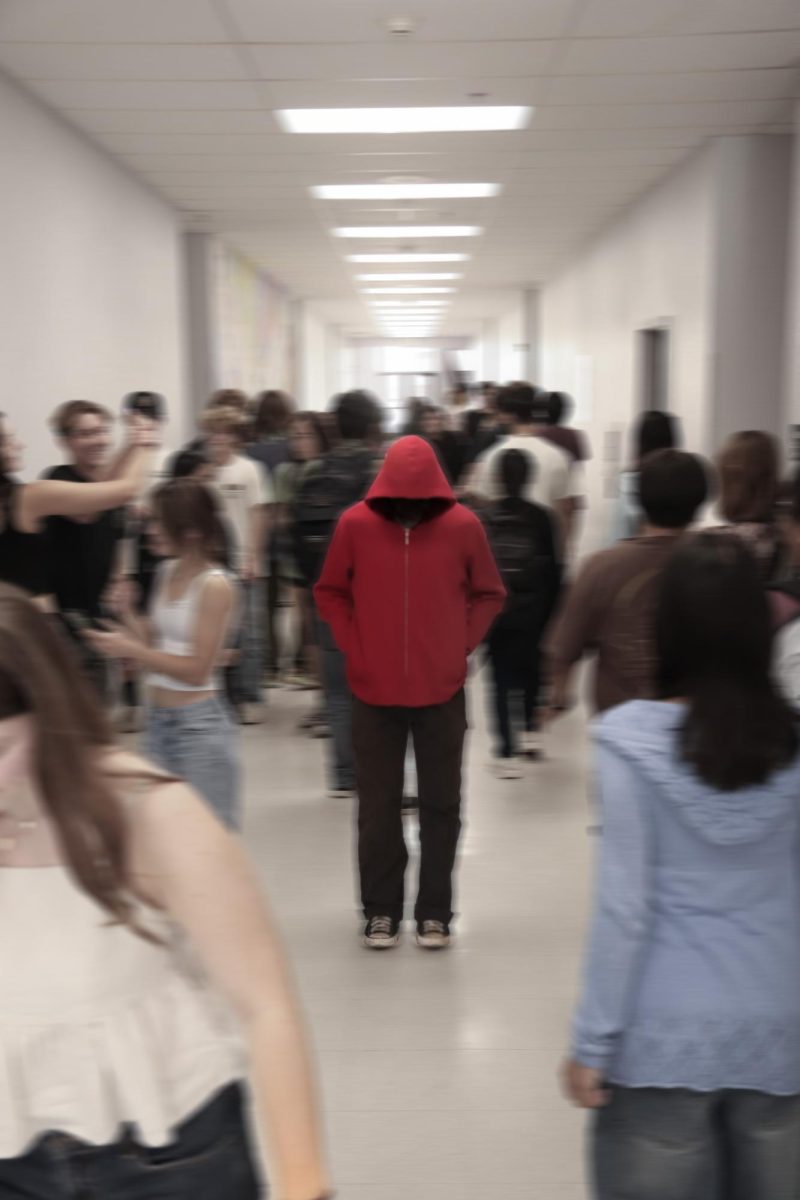
Although addiction is not established at parties, it is supported and fueled at these parties or influenced by peers. Teens who are struggling with addiction often believe they are alone, when in reality it is a very common issue.
The scary truth is that teens view parties as “living their best lives” and “taking advantage of their youth” but ignore the dangers that come with it. With most attending parties as social events it can progress into substance abuse that may develop. The first sip may not be thought of as the start of the addiction but as a start into fitting in.

Its just one hit. I can stop whenever I want,” is what every teen wants to believe before getting hooked on drinking or vaping. It isn’t until they’re spiraling down the hole of addiction that they realize how difficult it’ll be to get out of it.
At PRHS, 66.7 percent of students shared that they have attended parties with underage drinking and smoking, with another 62.5 percent expressing how they have seen their peers struggling through their addictions.
While peer pressure is quite common among the youth, it is not the only factor. Outside influence on the other hand is much more influential. Simply being surrounded by friends who encourage the act can be just as negatively impactful, even if you aren’t indulging in the substances. It can lead to curiosity, fear of being left out, or create a desire to be accepted and unjudged by others around you.
“I think for teens, it’s especially pushed because it’s a normalized thing. I feel like a lot of people are really using them. They see their peers and friends doing it, so they just want to try it and eventually they just get addicted to those substances,” an anonymous junior shared. Others may never directly offer the substance, but seeing the act forms that “what if” question, making it easier to say yes to when there is an encounter.
Family can play just as big a role as friends, if not depending more on how much and how early on a person has been exposed to substances in their life. Another anonymous voice who has felt the effects of familial addiction says that, “If you have family or friends that do it and you don’t agree with it, it can still affect you. Especially with kids who have older siblings that have access to substances or parents who are addicted to them. They can start at a very young age.”
Social media has also gained popularity over the course of the last decade, and the use of drugs and alcohol is not censored within those boundaries. Teens have access to countless product reviews, advertisements, and a barrage of images of others using vapes and alcohol, which adds to the natural curiosity teenagers may have.
As the use of social media increases, so does the use of addictive substances. Online, vapes, nicotine, pouches, and alcohol are normalized and glorified among today’s youth. According to the American Psychological Association, young teens have begun using substances as a justification “to gain friends, avoid losing them, or to cope with emotional problems that they’re having.” This begins to raise the question: how are these addictions manifesting, especially when young teens should be unable to access these addicting substances?
With the increased use of social media, the use of addictive substances such as vapes, nicotine pouches, and alcohol have continued to be normalized and glorified among today’s youth, who primarily start using it as a justification “to gain friends, avoid losing them, or to cope with emotional problems that they’re having,” according to the American Psychological Association; but how are these addictions manifesting, especially when young teens should not be able to access certain substances?
No matter what the circumstance is, whether it’s friends, family, or even social media, it’s clear that repetitive use and early exposure can have lasting consequences that can affect not only your physical, but mental health as well alongside academic performances.
In terms of development, “psychoactive substances, including nicotine, cannabis, and alcohol, can interfere with healthy brain development” according to researchers at the National Library of Medicine. The use of these products have been linked to a delay in growth, and making students more prone to being less successful in academic areas. With this may also come a lack in student’s performance on the court or field too. Vapes and cigarettes are especially known to cause damage to the lungs, while drinking on the other hand deteriorates both strength and endurance.
Addiction is not an easy issue. It will often progress in secret, creeping up on you at the most unreasonable moments, but it’s important that we acknowledge the risks of substance abuse and deny the indulgence of it despite the influence of the world around us.

In culture there is a certain negative stigma around self-help. The American Psychological Association (APA) defines stigma as a social disapproval of certain traits and actions that can lead to unfair discrimination against an individual(s). Whether it be drug rehabilitation or a few therapy sessions in a trying time, there has been social stigma against the practice of seeking professional help. The National Center of Health Statistics, the foremost health statistics resource in America, acknowledges the potential effects of this kind of pressure, “Clearly in some cases it is highly influential, such as when multiple stigmas are compounded, or when the stigma is being experienced or anticipated from staff at rehabilitation facilities or programs.”

Culturally we can see social stigma against recovery manifest in how we refer to addicts or people we see generally as “strange”. Orgs like the American Addictions Center cite the uptick in the adoption of terms like Junkie, Stoner, Drunkard, Crackhead and Tweeker as examples of this. This demonstrates a very casual discrimination being commonplace now.
“ I think as a society we are becoming more aware that it’s serious. However, I think the main reason I think this may persist is mainly lack of education and experience with these issues.” PRHS psychiatrist Julio Penaloza said, offering an explanation for why this may be the case.
Penaloza is a recent addition to the PRHS admin collection, but has been a practicing psychologist for many years. He believes change can come from giving the disenfranchised a voice,

“I think education is gonna be the biggest factor, learning about these health conditions, learning about these people’s experiences. Listening to their stories puts you in their shoes.” he said.
Despite this, the aforementioned discrimination even manifests in how we see former drug addicts. Findings from the The American Addiction Centers are revealing and show the effect this social stigma has on our perception of addicts.”90% are unwilling to have a person with drug addiction marry into their family, compared to 59% for a person with mental illness.”(AAC). These same statistics trickle down to things like employment and renting. With this in mind, senior Natalie Borm asks for people to show more empathy.
“It is important to not immediately judge someone based on the health they are seeking. Borm said. No one should have things blocking them. People are going to judge but people need to get the help they need”.

No matter how old you are, the last battle of getting help with addiction is crucial. 75 percent of people who get help fighting substance abuse survive numerous health risks and go on to live better lives, according to WUSF.
There are help lines, counseling resources, and more materials to help students fight drug and alcohol reliance.
Here at PRHS, services like the Well Space, counseling team, campus precautions, and clubs like Friday Night Live (FNL) focus on informing, protecting, and supporting students. The Well Space on campus, located in room 202, offers a welcoming space filled with an assortment of comfy couches available for students to unwind, find company, or seek serious help from trusted adults. Advisor Zenaida Mejia-Lowell, known as Ms. Z, is in her first year at PRHS and has quickly established herself as a trusted person on campus.

“The goal is to create a relaxed, safe, and fun environment where we can talk about things in a non threatening way. We’re removing all of those negative stereotypes that keep kids from coming in so that they can engage in honest and open discussions, whether it’s in a small group or in private,” Mejia-Lowell said.
Her mission for the Well Space is to remove the stigma about getting counseling and make students feel comfortable coming in for any circumstance. The Well Space is constantly evolving to meet student needs.
The Well Space sees about 30-50 students daily, for a range of reasons. They can drop by for a fidget toy from the fidget wall, take a quick 15-minute reset when feeling overwhelmed, have a restorative meeting with peers or teachers, or grab a cup of hot chocolate in the mornings. In instances that require specialized or intensive care, students might be referred to community resources or the in-school mental health therapist, Rebecca Zemke.
Addiction in teens can create such a large problem because of all of the outside contributions to popular parties and peer pressure. 48.7 percent of teens have abused alcohol by 12th grade and 36.8 percent have tried illicit drugs, according to the National Center for Drug Abuse Statistics. Teens often view this involvement as part of having “fun” while at a party or hanging out with friends, not as a detriment to their health. The Well Space can help these young adults find ways to enjoy spending time with friends without relying on substances.
“You have to ask yourself: why are teens engaged in harmful behavior? It’s going to be one of two things: It’s probably going to be some social aspect, either to make or keep friends or sometimes they’re trying to manage overwhelming feelings or experiences,” Mejia-Lowell said. “Understanding their reasons isn’t about judgment—it’s about recognizing your strengths and finding healthier ways to meet those same important needs.”

The club Friday Night Live known as FNL is another resource that has been active on campus for many years, hosting meetings on Mondays in Bearcat Hall, advised by a coordinator from the FNL office in San Luis Obispo and PRHS counselor Lindsey Soto. As a statewide reform program initially operating as a way for teenagers to do something different on Friday nights instead of partying or underage drinking, it now centers around educating teens about mental illness and the dangers of substance abuse,
“Rather than focusing on ‘don’t drink, don’t do drugs’, we are much more focused on the consequences of it,” junior Lilah Waters said.
She has been involved in FNL since seventh grade and organized many events over the past two years at PRHS, such as a school-wide “Dangers of Fentanyl” presentation and the annual “Donut Drink and Drive” campaign where students pledge to not drink and drive in exchange for a donut.
This year, one of the club’s initiatives is to create an “Awareness Gallery”, where they will research and present on a multitude of mental health topics, including addiction, body image, home life, bullying, etc., and offer resources for finding help. This project is planned to be presented either in Bearcat Hall or the Well Space for students to filter through and learn about.
Beyond its educational purpose as a club, it also serves as a safe and judgement-free place for any struggling students to find company,
“Our club’s a very welcoming and accepting space. I don’t think anyone is going to judge you for what you’re going through,” Waters said.
FNL is a community of students that come together to be a breath of fresh air from the overwhelming and sometimes toxic atmosphere of high school.
Besides these recovery methods to help after the struggle has begun, PRHS also has guidelines in place to discourage students from engaging in these behaviors in the first place. The security team has implemented preventative measures such as vape sensors installed in the bathrooms that alert admin when they detect smoke, high quality security cameras, and frequent K-9 searches that come through campus to sniff out illegal substances.
“The district school board voted to approve a $300,000 contract to install surveillance cameras and vape sensors at Paso High and the two middle school campuses—Flamson Middle School and Lewis Middle School”, according to New Times San Luis Obispo in 2022. Now that these sensors have been in place for multiple years, there has been a significant uptake in smoking-related apprehensions on campus, creating strict consequences offenders must face in response to their actions.
While it may not be recognized by many, these updates and resources highlight the school taking steps to protect students against the powerful control of addiction. Teen substance abuse is still a large issue in our society and might never be completely solved, but Bearcats can find the support they need at PRHS.
Your donation will support the student journalists of Paso Robles High School. Your contribution will allow us to purchase equipment and cover our annual website hosting costs.