Career Technical Education: Preparing Students for the future with CTE


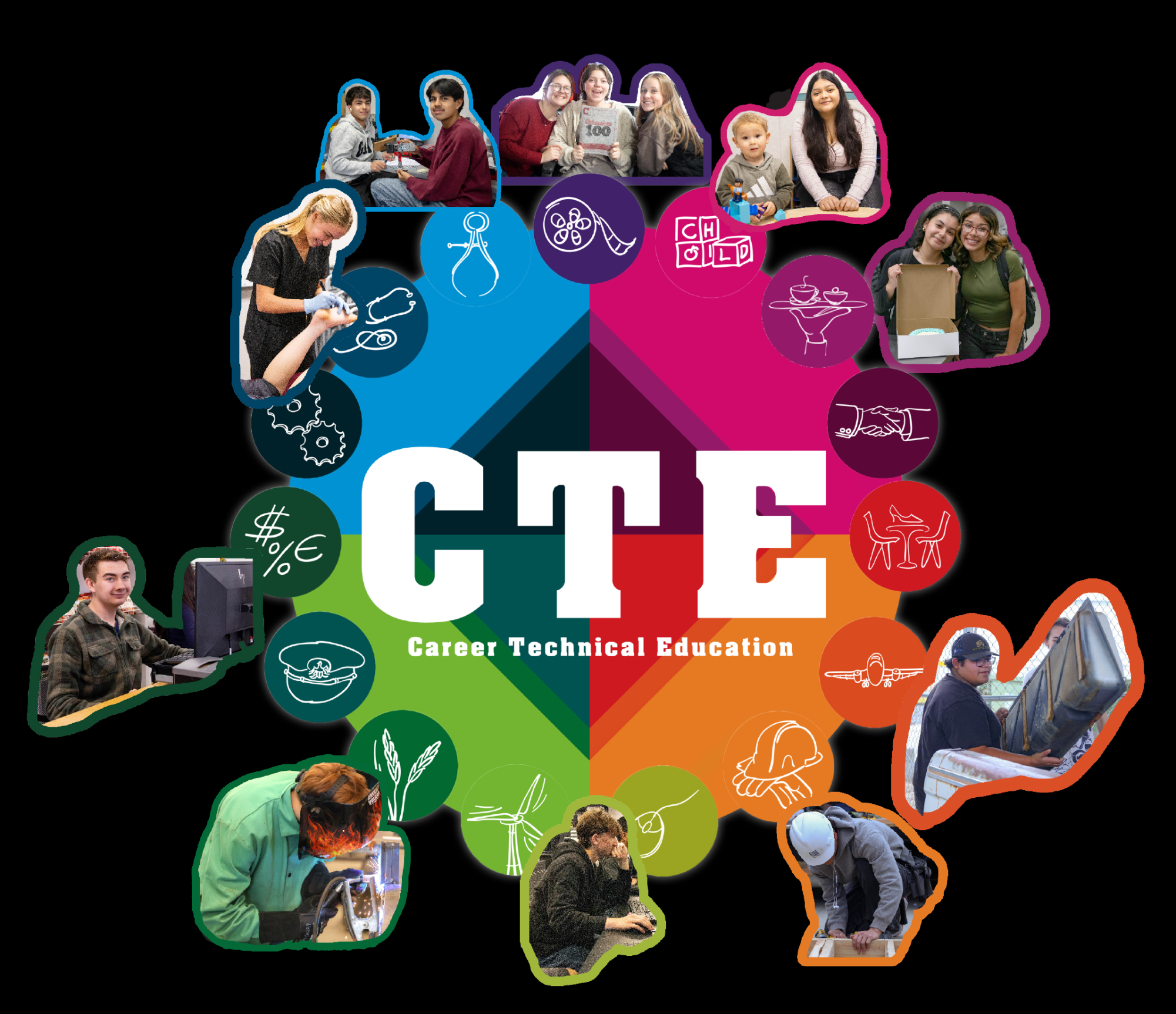
Hands-on classes that provide students with work experience before they graduate high school. This is the main goal of Career Technical Education (CTE).
CTE was adopted by the state of California in 2005, (according to California State Portal) and has been slowly integrated into high schools ever since. One of the main focuses is that students are able to be “college and career ready” right after they graduate high school. Being able to have work experience directly out of high school is something that sets these students apart from others. Alongside having those unique experiences, most CTE courses are also dual enrolled with college courses so that students are able to start early on their post-secondary education while still being in high school. While being in the pathway, students also have opportunities to compete in career-based competitions through SkillsUSA and FFA.
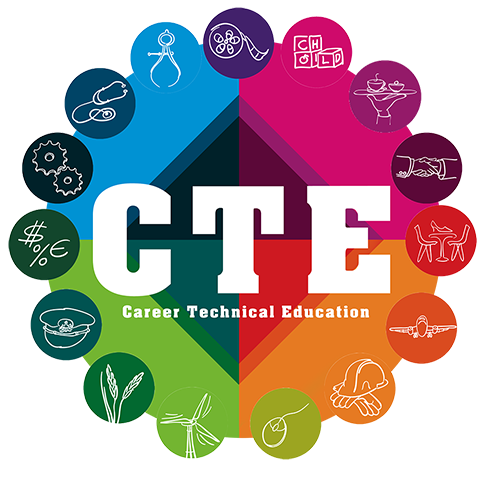
There are 15 industry sectors of CTE, eight of which are present at PRHS. These eight different sectors include Agriculture and Natural Resources, Business and Finance, Arts, Media, and Entertainment, Education and Child Development, Hospitality, Tourism, and Recreation, Health Science and Medical Technology, Building Trades and Construction, Information and Communication Technologies, and Transportation. In each sector, there are various subsections which make up the exact pathways that students enroll in. Pathways are typically made up of an intro, concentrator and capstone course. Students completing the concentrator and capstone course are considered Pathway Completers.
In the 2026-27 school year, there will be one new sector (Fashion and Interior Design), two new subsections (Cybersecurity and Plant and Soil Science), and one additional course added to the Early Childhood Education Pathway, (Infant and Toddler Care and Education) .
To be able to have these courses available at PRHS, the school receives grants from the state that contribute to the resources students need to participate in the pathways. The largest grant that is rewarded is the CTEIG (Career Technical Education Incentive Grant) that varies each year. This school year, PRHS was rewarded with a total of $559,377 to put towards the pathways.
College and Career Coordinator, Megan Cannon, has been able to view first-hand how CTE positively impacts students for the betterment of their future.
“CTE is amazing because it’s the things that make all of the other stuff we do in school relevant. Everything from Math, English, and Science classes come together in a CTE program where you’re talking about how this applies to real life and you’re doing meaningful things,” Cannon said.
Students are encouraged to complete a CTE pathway before graduating. At PRHS, there are over 1,600 students enrolled in a CTE Program where they will later go on to be better prepared for their future college and/or career path.
“It’s a weird thing when you graduate because suddenly you look around and no one is telling you the next thing to do. CTE is a way to help with that,” Cannon said.
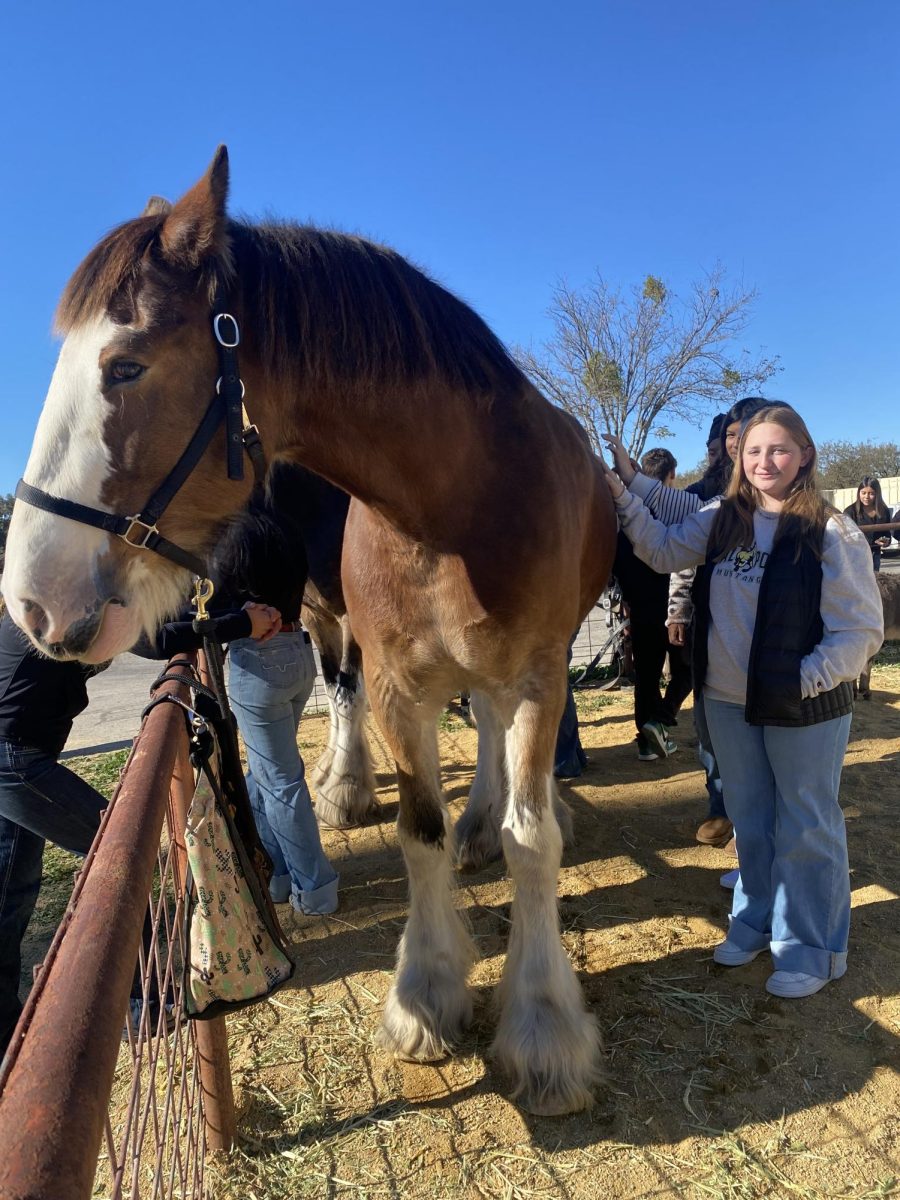
The Animal Science program has been a pathway since PRHS was founded in 1980. Amanda Gardner has since led the program.
This pathway has three courses that focus on small, large, and specialty animals, the anatomy and physiology of animals, health, genetics, and much more.
The first course, Introduction to Agriculture, goes over the history of the agriculture industry, government regulations, current trends for the industry, livestock classification and evaluation, and career opportunities. The second course, Animal Production and Industry, is designed to teach students the role agriculture has on the world with food, fiber, wool, and other by-products. Students will learn hands-on by interacting with the livestock at the school farm, study the effects of the climate, and geopolitical shifts that affect the agriculture industry. The final course, Animal Health and Reproductive Systems, establishes students to the scientific side of the agriculture industry by applying veterinary skills such as clinical diagnosis of diseases and parasites, and surgical procedures. Biological applications equally are focused, cells, genetics, and evolution are explained to students in a detailed fashion.
Students enrolled in the course can earn a Vet Application Certificate which can be used in a resume to aid their job search after high school.
Gardner has seen the impact her course has had on her students.
“Pursue a class that you have an interest in. If it’s animals they’re going to take my intro to livestock class, that would be the first class that they would take, and to just try all the different opportunities that are presented to them, whether it’s raising animals at the school farm, or taking animals to the fair,” Gardner commented.
The Animal Science Pathway is designed to expose students to the world of animals; completing the pathway will give students the skills for an entry level veterinary technician.

Sparks fly in the air as you walk into Matthew Vierra’s welding shop. Where students gain the difficult skills and experience to enter the welding complex after graduation and the soft skills to be professional in any industry. T his program offers a dual enrollment program with Cuesta College to provide students with college credit while completing in the course. It is currently lead by Matthew Vierra. The first course, Agricultural Welding 1, introduces students to the pathway with the basics of welding as well as hands-on activities that make the students familiar with the tools. The second course, Welding 2 builds up from the first class with out-of-position welding and advanced procedures. Students are provided with up to date technology due to technological advancements in the welding industry such as PlasmaCAM cutting tables that can cut through multiple types of metals into furniture, signs and lettering, automotive parts, etc. The third course, Welding 3, introduces students to begin fabrication projects and art sculpture, while also assisting students to master their skills in design principles, equipment, digital platforms and more. The final course in this pathway is Welding 4 where students apply their skills from previous courses to use in the welding industry.


s the clock ticks and the soft brush of the f lower petals in working hands, students in the Floral Pathway are blooming. The floral pathway was started fifteen years ago in 2011, by Theresa Clark. The floral pathway has been growing with Clark since then. The starting class in this pathway is Introduction to Floral, where students begin to learn the basics about flowers and how to properly arrange pieces. The next class in this pathway is CTE Advanced Floral Design where students are brought more into the business side of the pathway that includes the wholesale of flowers, processing of orders, and production of arrangements. The final and most advanced pathway is Advanced Floral Design Field Experience where they begin to have shop experience and exercise their customer service skills. Senior Caylee Lamb especially shows the expectations in floral and is exceptional with the blooming blossoms. She has been in the pathway for four years and is the current Floral Club President.
“I’ve been able to learn many skills including how to communicate effectively with business/ customers, plan weddings, lead events, and elements of design,” Lamb said. Lamb’s favorite part of the pathway is having her mentor Mrs. Clark with her along the way.
“She is such a great teacher, and has been a wonderful role model to me. She has taught me the importance of trusting in my abilities and has pushed me to try new things,” Lamb said. For those who are planning to or taking a CTE pathway, Lamb has some advice.
“Try everything! I’ve also been a part of the CTE Healthcare pathway for three years. Sports medicine, laboratory Practicum, and Community Practicum. You find out what you love and I believe that every CTE pathway teaches you important skills that you will use in the real world.”


Students start the printing machines and collaborate with others as they learn the ropes of a well run business. The Business Pathway began in 2000 by Denise Conte. As of the 2021-22 school year, Breanne Overton has led the pathway and taught all three levels of this course, with the new development of all three courses being dual enrolled this school year.
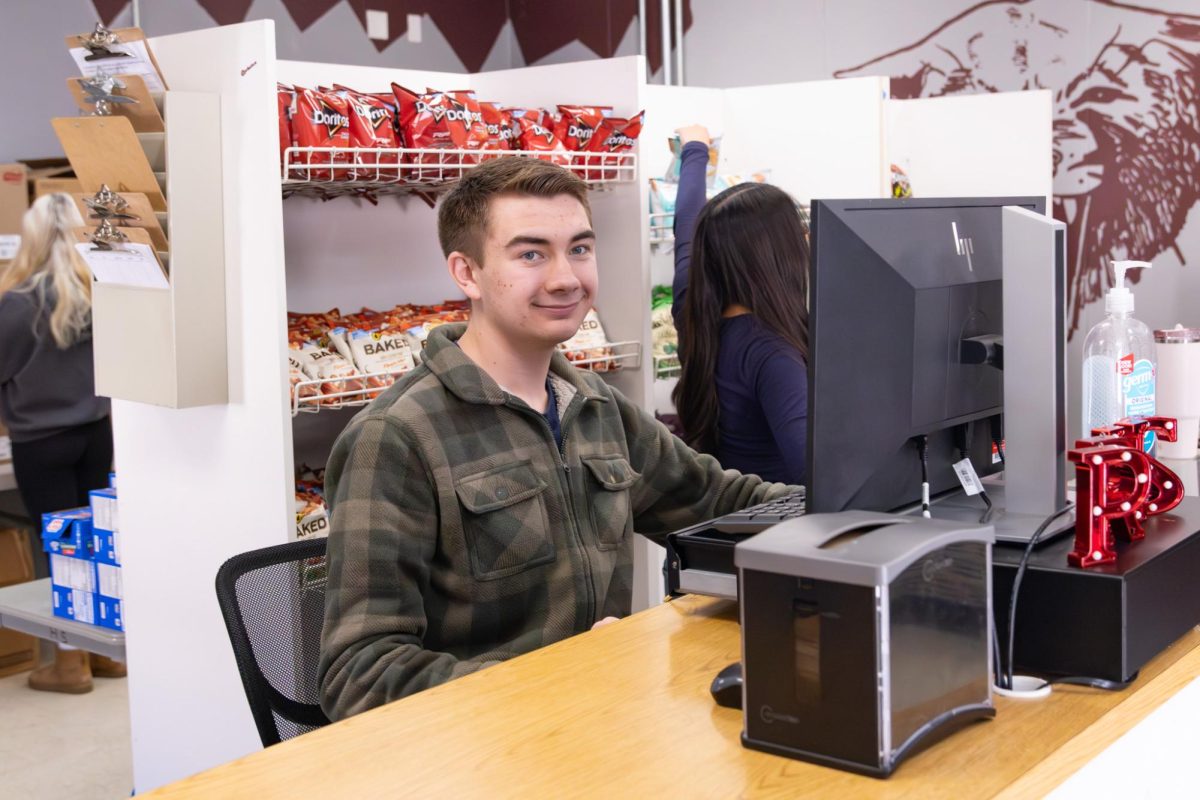
The first course is Introduction to Business Management where students complete online assignments and have the opportunity to listen to various guest speakers every Friday. Business Communications is the second level in the pathway where students begin to have more hands-on opportunities while still completing online assignments. The two main businesses that the students work in are Paso High Print Shop and Crimson Closet. Paso High Print Shop is a printing room that is responsible for printing and delivering sports banners, graphics, and any posters that may be needed in the PRJUSD. Crimson Closet is a non-profit business that focuses on providing students with any clothes or necessities that they may have a difficult time acquiring. The final course in this pathway is Business Management Practicum where students are responsible for running the student store on campus. The funds that are made from the student store goes back to the students in the form of scholarships, funding for various clubs on campus, and class trips. In this pathway, students learn multiple skills including customer service, taking inventory, and creating invoices.
“Customer service in any profession is huge: we’ve had students compete at SkillsUSA at the state and national level for community service,” Overton said.
Senior Sara Solis has been a part of the Business Pathway for two years, while taking two periods of the course this year to complete the pathway. This pathway has taught her about the responsibility of being in business, while also growing as a person.
“The business pathway has helped me develop not only practical skills, but also personal ones. I have learned strong communication and customer service skills, as well as the importance of teamwork, responsibility, and time management,” Solis said.

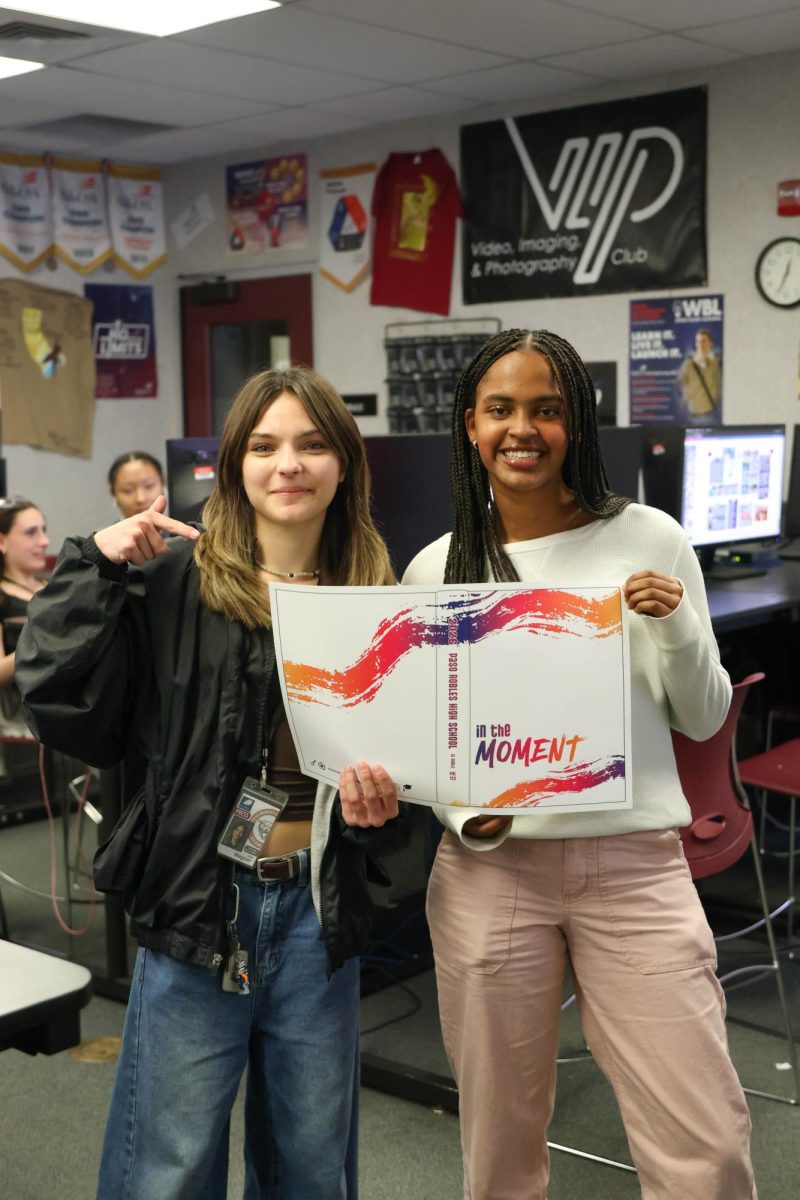
With every click building new memories, the Digital Media Production class allows for students to explore design and photojournalism in a professional workspace.
Bearcats begin with taking Introduction to Media Production where they, explore through the eye of a camera, while learning design principles through Adobe Creative Cloud programs such as Photoshop, Lightroom, Audition, etc. Focused on video projects, advertisement, and communication, students learn the foundations of becoming a journalist. Serving as a concentrator, Digital Photography expands beyond the basics of cameras, teaching students composition, editing, and studio lighting. Additionally, students learn photojournalism through captioning practice. Anticipating a new theme every year, El Roble Yearbook is the capstone for the pathway. Led by current Editor-In-Chief, senior Jade Wagner, the course allows for students to write, design, photograph, and grow as a journalist in a professional work space.
“Students gain hands-on media skills and learn to work as part of a team, take responsibility, and lead—preparing them for both creative careers and any workplace,” Michael Witman, pathway lead teacher, said. “Our yearbook and media classes simulate a real business environment, letting students practice leadership, communication, and teamwork while producing professional work.”
Being the first Bearcat to traditionally complete all three courses, senior Kalie Strader explained that each course has taught her fundamental basics to excel in her second year of yearbook.
“This pathway has helped me, because I want to be a graphic designer when I’m older. It’s given me a lot of tools that I definitely use with page design. I feel like I understand the career I want more than if I hadn’t taken those classes,” Strader said.

Voices ring out as students are gathered in the middle of the room to discuss recent events on campus and what they believe should be in the next newspaper issue.
The Journalism Pathway, also known as Crimson Newsmagazine, began roughly in 1932 but became more detailed in 1990, as Natalee Johnson became the advisor. This pathway has three levels; the higher of the two include working on a newsmagazine staff while also being dual-enrolled with Cuesta. Introduction to Multimedia Journalism focuses on the learning of Adobe Suite alongside using specific equipment for photography, videography, and other platforms. Journalism 2 is the second level in the pathway where students begin to apply their skills in interviewing, journalistic writing/reporting, and page layouts, while also being a part of a newspaper staff. The final course, Journalism 3, pushes students to explore their leadership skills while managing, planning, producing, and editing various mediums like print, website, and social media.
Pathway teacher and magazine advisor, Aiden Evans, has been able to view how each course prepares students for opportunities outside of high school.
“The pathway’s capstone experience builds essential soft skills, including communication, project management, and team leadership, that employers and colleges value in today’s collaborative, service‑oriented workplaces,” Evans said.


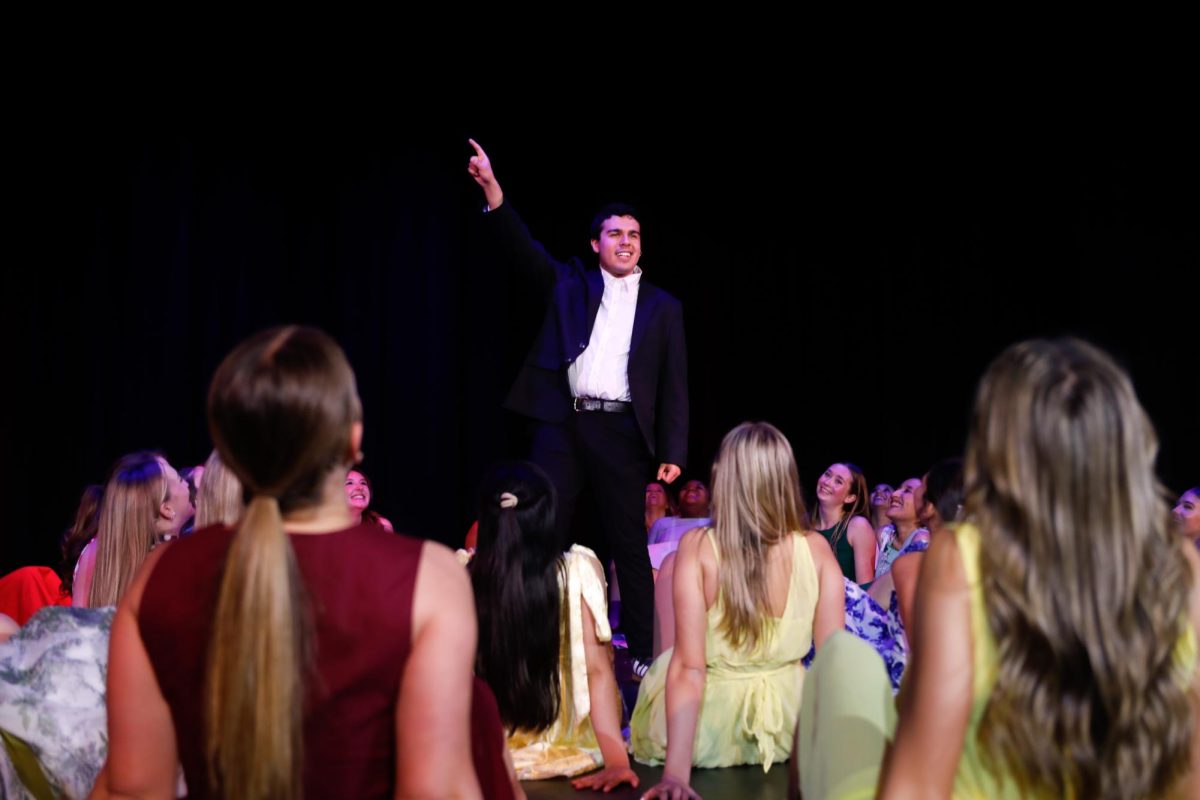
Preparing aspiring actors to debut, the Performing Arts Pathway at PRHS has grown into a structured program preparing students for futures both on and off the spotlight.
While theatre has long been offered at PRHS, the pathway officially became a CTE Pathway in 2019, when Director of Theatre Arts Marcy Goodnow earned a CTE credential, which formalized theatre courses into a sequenced pathway focused on acting, directing and playwriting.
Acting students move through a clear progression of courses, beginning with Acting I. In this course, aspiring actors build on-stage confidence, performing individually and in groups. The second semester consists of script analysis and character development, culminating in public performances through the annual One-Act Showcase.
In Acting II, students deepen their performance skills while strengthening creativity, communication, and critical thinking. Students also audition and perform in a young theatre play presented in the spring. This year, Seussical Kids will be opening Feb. 20.
After the introductory and concentrator courses, students advance with Acting III, an audition-based capstone course centered on producing major stage productions. Students prepare auditions, attend night rehearsals, develop complex characters, and perform before public audiences, committing time beyond the classroom in a professional environment.
Acting IV Honors builds on this foundation with advanced production work and a leadership unit, pushing students to take greater responsibility both onstage and within the ensemble.
Select seniors may also apply for Director’s Practicum, where they step into leadership roles by teaching warm-ups, running auditions, and directing the Acting I One-Act Showcase. Both Performing Arts and Production Managerial Art pathways share this capstone.
“It’s been an amazing experience being an Acting IV student, and being in Directors Practicum. The opportunity to act in our fall play every year, and being able to write and direct my own One Act and see it come to life is something you usually never see at other schools or with other directors,” Senior Maxwell Toohey-Bergvall said.
The pathway emphasizes real-world preparation. Goodnow explained that she and CTE Industry Partner and Alumni Cassidy LeClair regularly meet to discuss industry standard practices in auditions, resumes, websites, agents and generally pursuing theater and film in Los Angeles.
“We work hard on being prepared for any audition in our pathway. The preparation for an audition gives us skills that are transferable to interviewing for a job as we complete an application and show up for an interview,” Goodnow said.

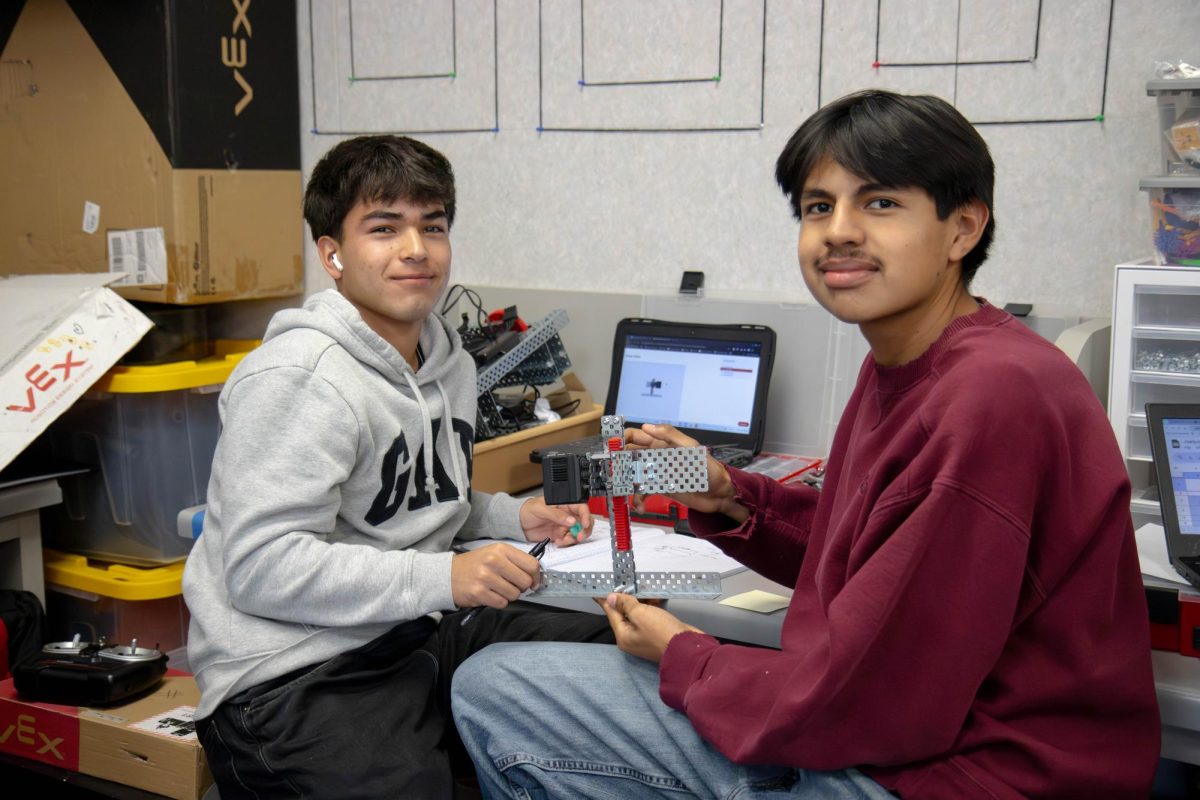
The Engineering CTE Pathway offers students hands-on experience in problem solving, design, and innovation while preparing them for careers in engineering and related fields. Led by engineering teacher Alisa Bredensteiner for 15 years, the pathway became an officially certified CTE program this school year after more than a decade of engineering courses being taught on campus.
The pathway begins with Engineering Principles, a principles-based course that exposes students of any grade level to a wide range of engineering fields. Students learn the engineering design process: brainstorming, designing, building, and testing—while also problem-solving and collaboration skills.
The second course, Mechanical and Robotic Engineering Honors, focuses heavily on robotics, coding, and mechanical systems, giving students an experience with industry-style tools and equipment.
The pathway culminates in an Engineering Development and Design Capstone course, where students design and build original products from the ground up. Juniors and seniors create full project proposals, manage budgets, and refine designs through testing and iteration. Because projects vary each year, students may retake the capstone course to pursue entirely new designs.
“In college you learn, you get a lot more of the math and the science, and the harder parts of actually doing the engineering, but you don’t always get a lot of opportunity to build and to actually put your hands to stuff, so that’s been a huge piece of what this has done for students and their success,” Bredensteiner said.
Senior Jayleen Arroyo-Flores has been in the pathway all four years, and values the hands-on experience. She explained that this pathway has not only made her more social, but comfortable with a variety of engineering.
“Its really opened me up to different types of engineering. l want to become a software engineer now, because of all the coding I have done throughout the engineering course,” Arroyo-Flores said.

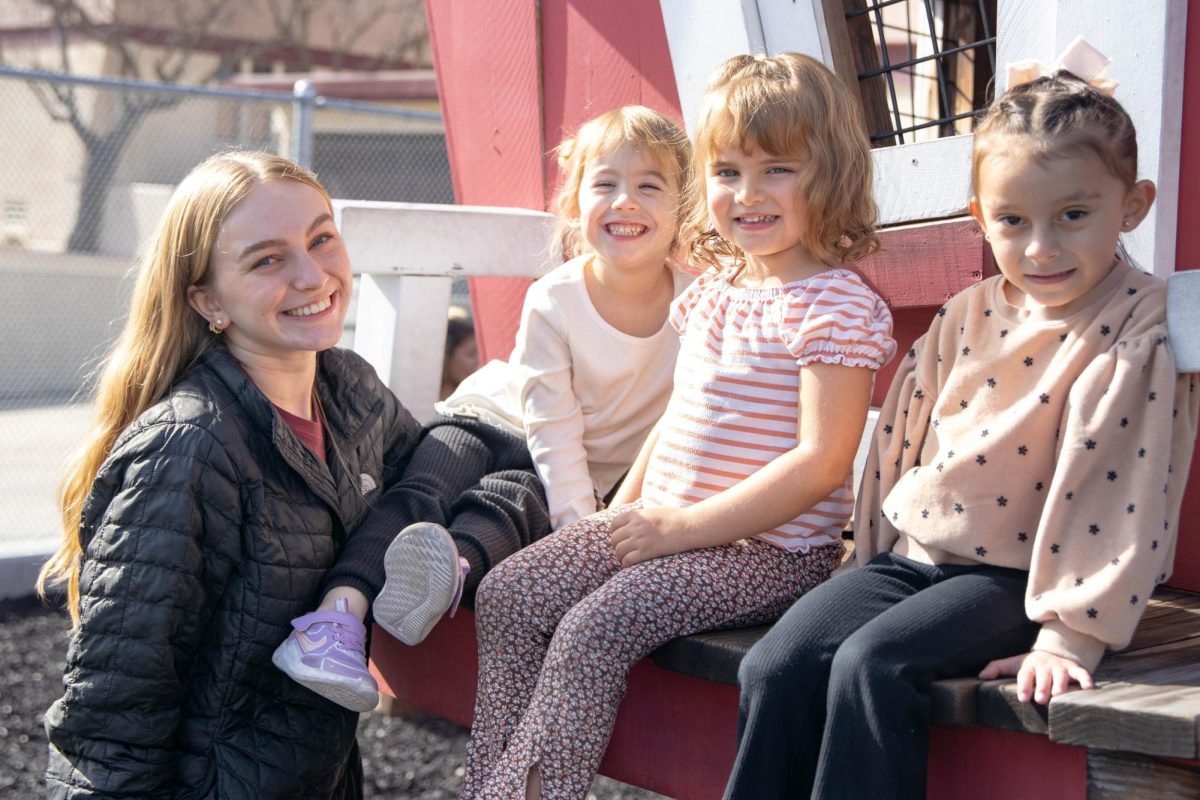
Walking through Paso Robles High School on-site preschool, you can always find 3-5 year old children actively learning and interacting with their classmates. The Education and Child Development program began 30 years ago, with around 12 high school students and 12 children between the ages of 2-5 years. This program has successfully grown and now has over 400 students in the pathway. Current teacher, Brenda Matthysse, has been leading this pathway for 25 years. Her favorite part is watching the kids develop and ultimately grow into who they are.
“It never gets old to me,” Matthysse said.
Children are able to overcome little milestones everyday and do things they had no knowledge of before, showing their learning and progress. There are four courses to this pathway, including Developmental Psychology in Children, often taken by incoming freshmen where they learn the developmental stages of children, as well as the opportunity to observe and be hands-on at elementary sites. Early Childhood Development (offered to 10/11/12 grade), students are able to distinguish the differences between emotional, physical, and social development milestones for children. Careers in Education (presented to 10/11/12 grade), is more curriculum and teaching focused. The final course, Practicum in Education and Training taken by upperclassmen, provides a minimum of 45 hours supervised observation where students have a more leadership position. All courses are dual enrolled through Cuesta College. This program is focused on developing practical skills for working with children, planning curriculum, and gaining experience in early childhood settings.
“All those soft skills that you learn dealing with so many different people, and not just the peers in the classroom, but the children, are career skills that you need to have,” Matthysse said.
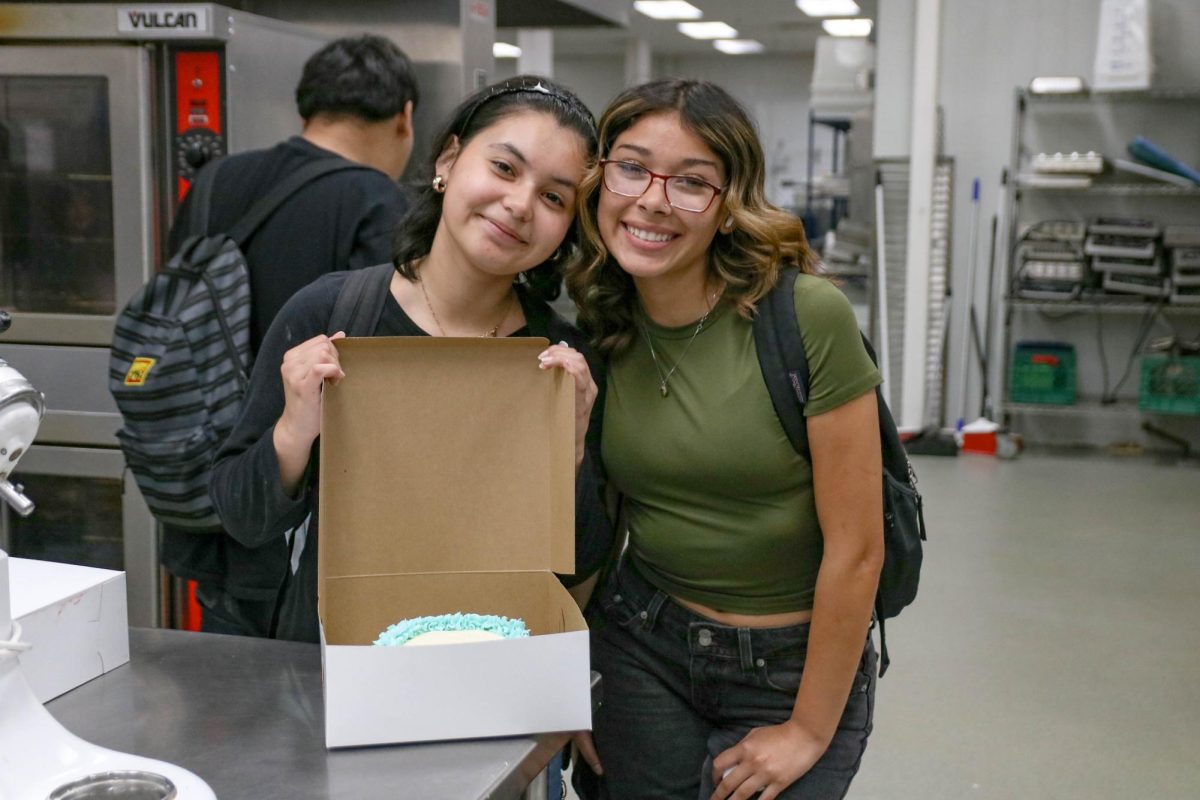
The Culinary Program is more than learning how to cook. While it does teach you how to be handy in the kitchen, it also teaches junior Brieanna Lopez and senior Mireya Jauregui students food safety, soft skills, and how to enter the workforce.
The intro class, Culinary Arts 1 introduces students to basic culinary skills such as dicing, working with heat, how to maneuver the kitchen, how to make breakfast entrees, food safety guidelines, how to bake, and decorate pastries. The skills and knowledge of students are tested in a fast-paced timed final which students must prepare three breakfast entrees and another final in which students must create three hand-crafted desserts with precision and care. The second course, Culinary Arts 2, provides a more fast-paced culinary experience, students maneuver the kitchen and make dishes in a timed manner, how to write a resume, recipe conversions, and how to enter the workforce outside high school. Students in Culinary Arts 2 can display their experience and knowledge by participating in the Skills USA competition which can be won at the county, state, and national level. The Culinary Arts Program provides students with California Food Safety Certification, allowing students to handle food commercially. The Culinary Arts Pathway is a great opportunity for students who are pursuing a career in the culinary industry or students who simply want to learn an important life skill.
“You have to really want it, because it’s not easy. Some of these things obviously cross over into a lot of professions, but this one in particular, because it is a job where you’re on your feet all the time, so you really have to have that persistence and diligence and really stay after it,” Culinary Teacher Adam White commented.

In Room 108 students, can find themselves on a pathway setting them for practical success in the medical field.
Health Science and Medical Technology has been an available pathway for students for 20 years, as it is one of the founding pathways at PRHS. The head of pathway, Shelby Lamendola has been in the position for 10 years and touts the practical applications of the course for students.
“I would advertise it as the opportunity to learn about the large variety of potential careers in health care, and then to prepare for college or career training after high school. And get proper certification after leaving high school. But also an opportunity for anyone to learn more about their body and their health.” In the intro course, students are walked through the basic safety practices as well as the career opportunities in the field. The subsequent courses are where the hands-on experience will be developed as the course doubles as a lab science, so students will receive science credit on top of elective credit.

“They do everything hands on,” said Lamendola. “Splinting, how to stop severe bleeding.” In the advanced class, they learn everything for a licensed helper and doctor, as well as ETC technician. Pathway completers will leave with six different certifications some including OSHA, HIPPA Compliance, and Blood Born Pathogens.

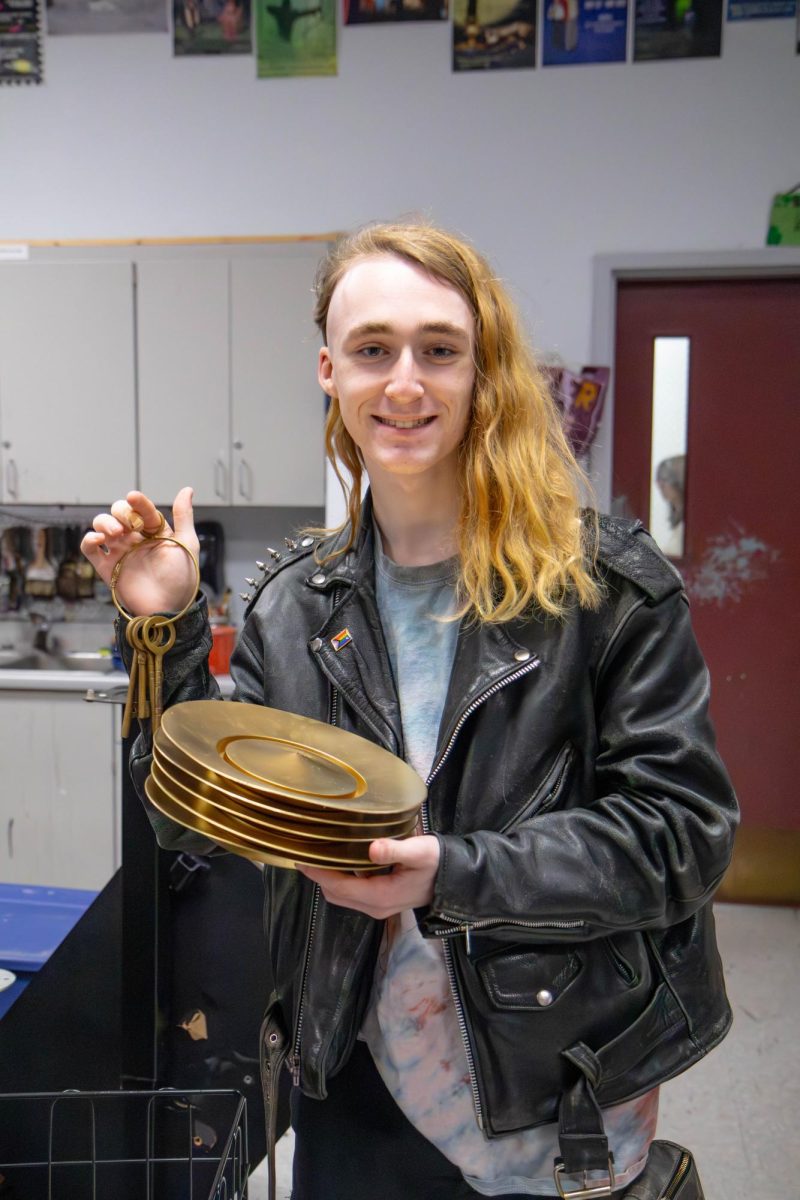
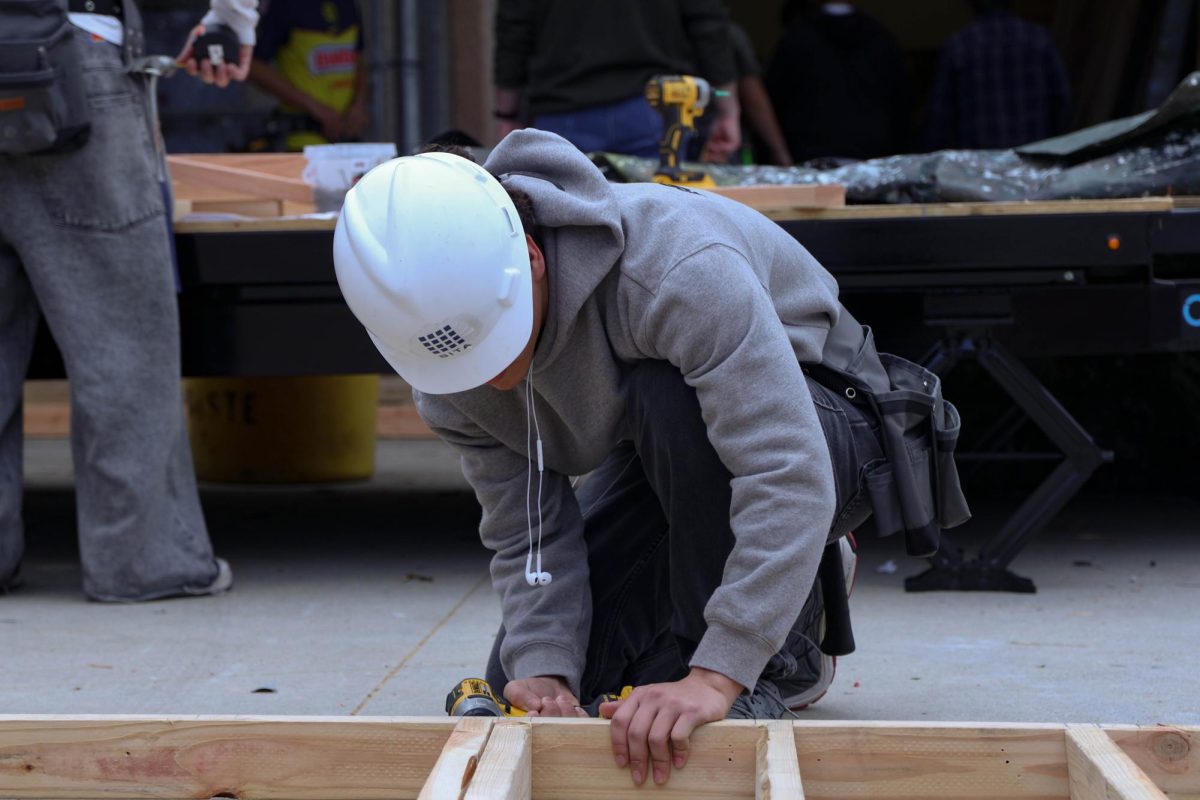
The sound of wood getting stacked on top of each other, clicking of computers, the humming of saws, the directions of the teacher, students in the construction pathway are thriving and committed.
Although it is not certain when the pathway started, it is believed to have began from the ideas of Mr. Canaday around 2010. However in 2023, Steven Matthews became the new construction teacher helping the students get creative and build. The starting class in this pathway is BITA 1 Residential Construction. This is followed by BITA 2 Study of Modern Craftsmanship/infrastructure. Then completed by taking the most advanced class BITA 3 Energy/Efficiency/Advanced Construction.
Students who are in this pathway are expected to be “professional, hard work, showing up on time, and staying off their phones,” said Matthews. This pathway has about 150 students enrolled this year.
The construction program has 3 different levels that are all doing different things. BITA 1 is learning about safety and how to use the table saw and hand drills. BITA 2 is designing a floor plan for a small house. Lastly, BITA 3 is constructing a small house. Kimberly Hernandez shows these expectations and is exceptional with the creative and clever constructors in construction. She is a senior and has been in the pathway for three years. Hernandez’s favorite part of the pathway is “being able to learn new skills that I can apply in my everyday life.”

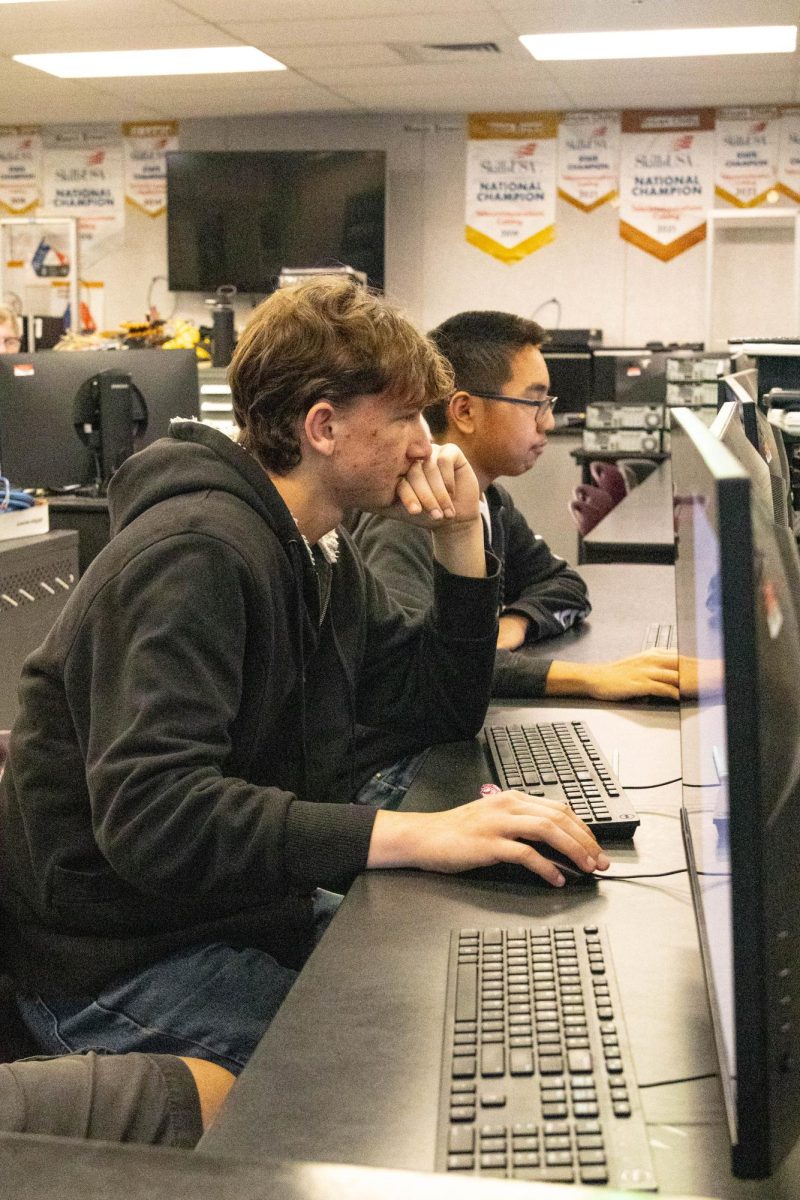
With computers scattered along the classroom, you can see teacher Bartt Frey, and his students taking apart a PC and rebuilding it. The Information and Communication Technologies pathway was started in 2014, consisting of four different classes, 3 of which are dual enrolled. Computer Applications and Web is the first class, open to grades 9th-12th, helping students gain skills in web design, building websites, disassemble and build PCs, and use spreadsheets to help simplify business math. These tools help students go into jobs requiring finance and database management, web media, team communications, and photo and image editing.
Coding and Cyber Operations is the second course and listed for 10-12th graders. This class leads students to understand the functioning of game codes, as well as build new games by understanding its command structures that control the flow of the game. It challenges students to be more hands-on with software and computers, learning how to operate and troubleshoot certain situations.
Advanced Coding and Cyber Security is the last dual enrolled class in this pathway. Using skills from earlier this pathway to learn how to track and stop hackers, helpful for high-wage jobs that defend wirewalls. This class ventures into 3d printing along with CNC printing products. The final class along this pathway is CTE Computer Service and Repair Field Experience, primarily open to Seniors. This is where you take all the information and skills obtained and put it toward getting certification training. Sophomore Sam Cogan has been in this pathway since freshman year.
“I got a lot better at Microsoft applications, spreadsheets, and web applications,” Cogan said. “All these skills are really helpful outside of high school, and for me I can take it into things like software engineering,” Cogan added. This pathway sets students on the path for high-demand, well paying jobs that you can find anywhere.
“With these skills and work ethic, you can take it and put it towards high-wage jobs,” Frey said.
With computers scattered along the classroom, you can see teacher Bartt Frey, and his students taking apart a PC and rebuilding it. The Information and Communication Technologies pathway was started in 2014, consisting of four different classes, 3 of which are dual enrolled. Computer Applications and Web is the first class, open to grades 9th-12th, helping students gain skills in web design, building websites, disassemble and build PCs, and use spreadsheets to help simplify business math. These tools help students go into jobs requiring finance and database management, web media, team communications, and photo and image editing.
Coding and Cyber Operations is the second course and listed for 10-12th graders. This class leads students to understand the functioning of game codes, as well as build new games by understanding its command structures that control the flow of the game. It challenges students to be more hands-on with software and computers, learning how to operate and troubleshoot certain situations.
Advanced Coding and Cyber Security is the last dual enrolled class in this pathway. Using skills from earlier this pathway to learn how to track and stop hackers, helpful for high-wage jobs that defend wirewalls. This class ventures into 3d printing along with CNC printing products. The final class along this pathway is CTE Computer Service and Repair Field Experience, primarily open to Seniors. This is where you take all the information and skills obtained and put it toward getting certification training. Sophomore Sam Cogan has been in this pathway since freshman year.
“I got a lot better at Microsoft applications, spreadsheets, and web applications,” Cogan said. “All these skills are really helpful outside of high school, and for me I can take it into things like software engineering,” Cogan added. This pathway sets students on the path for high-demand, well paying jobs that you can find anywhere.
“With these skills and work ethic, you can take it and put it towards high-wage jobs,” Frey said.

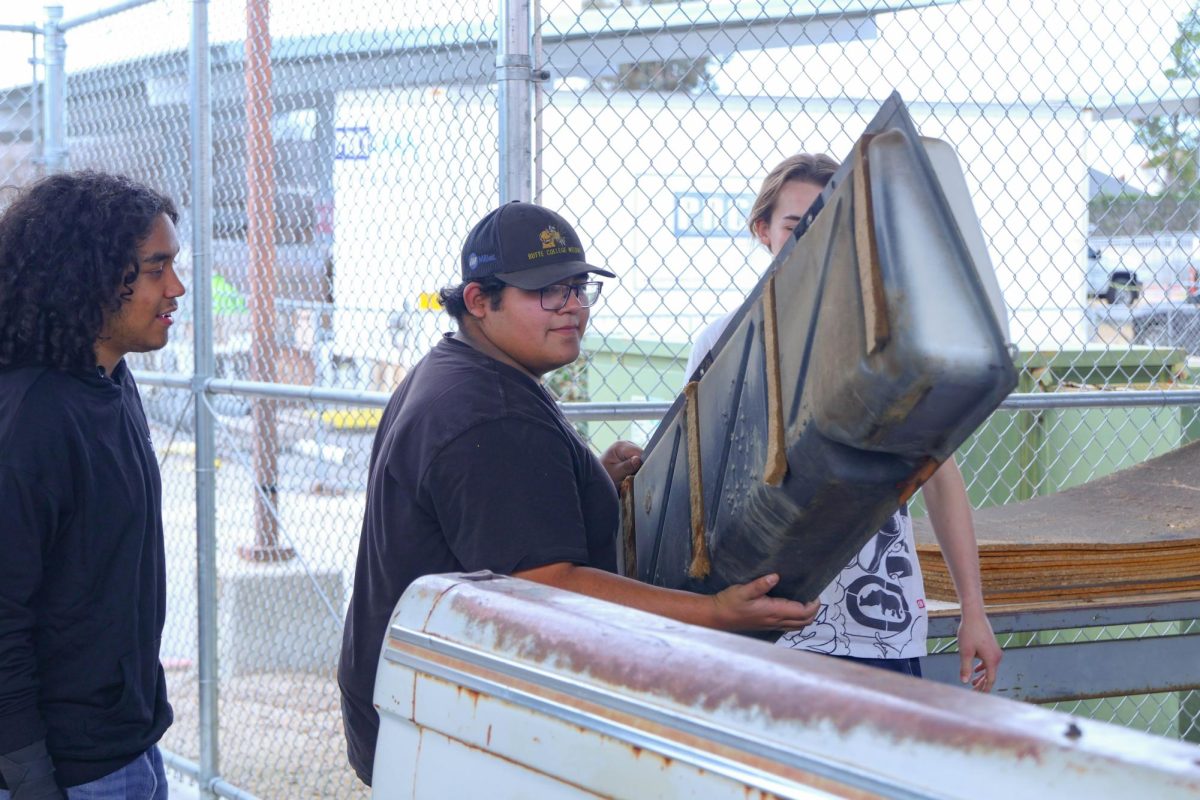
The smell of motor oil fills Room 603 as students are gaining hands-on experience to learn about the mechanics of automotive technology.
The Transportation Pathway began in 1980 when the high school first moved on Niblick Road. Current instructor, Gregory Boswell took over the pathway from John Stokes in 2007.
This pathway consists of four courses, three of which are dual enrolled. The first course, Introduction To Automotive Technology, where students learn the basics of owning a car, how to do light maintenance on their own vehicle, and what to look for when buying a car. The second course, Automotive Technology 2, where students listen to lectures and then they are able to complete a lab based on that lecture, and apply it to their own car. The third course, Advanced Automotive Technology, is more tailored towards students who are interested in pursuing auto because of the amount of hours that they spend working in the shop on vehicles. The final course, Automotive Practicum is all work based learning.
“We’re doing a complete restoration and rebuild on a 66 Ford right now,” Boswell said.
This pathway currently has 140 students enrolled throughout all four courses. In this pathway, it provides students with real life work experience.
“With a student that is in the advanced level or practicum level that is really interested in going into this force, there’s a wide range of opportunities to further your education or to get into the trade,” Boswell said.
Your donation will support the student journalists of Paso Robles High School. Your contribution will allow us to purchase equipment and cover our annual website hosting costs.