What were you doing in 2016? Were you lipsyncing on Musically or scrolling on Vine? Or were you styling skinny jeans and sandals? As 2016 trends resurface across social media, the question becomes: why do people feel so drawn to the past in the first place? Looking back to the past brings nostalgia. Nostalgia has become more than just remembering old music or fashion; it’s a way for people to reconnect with moments that feel simpler and familiar.
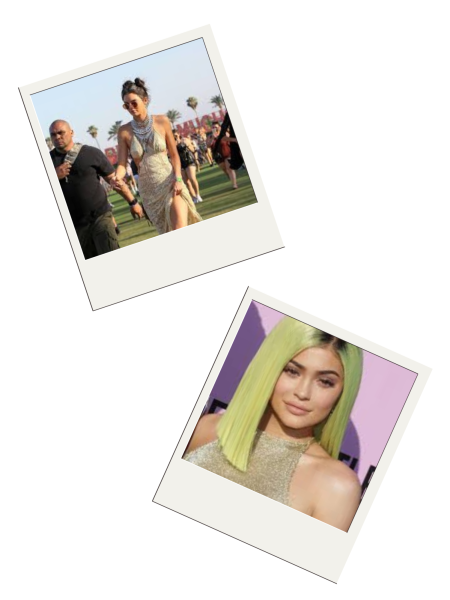
2016 was incredibly culturally important and viewed in following years as a “peak” year. This was the year in which people look back to when social media platforms like Musically, Snapchat, Instagram, and Vine were new during this time. Music festivals like Coachella shaped the fashion and artists made music which created trends. Celebrities were sought after with bold fashion statements. Influencers were rising and people were following trends. Everyone wanted to give off Kylie Jenner in her King Kylie Era.
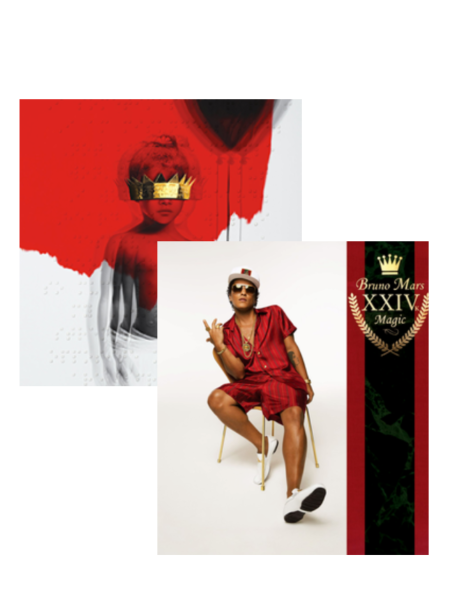 Many Pop artists dominated summer culture and playlists like Anti by Rhianna and Bruno Mars’s 24k Magic. Trends were everywhere, and the tea was piping hot on the front covers of magazines. Many grew and lived with this culture, while some are rediscovering it.
Bringing back trends from 2016 also brings a sense of nostalgia to those who grew up during the time. Many Gen Z grew up seeing these trends and while they may seem cringey now at the time they were really cool to look at as kids.
Sophomore Isabel Compoverde, is an intermediate dancer who once used the social-media platform Musically that later became today’s TikTok. Campoverde says that these social media impacted her; she stated that watching dancing videos on TiK Tok influenced her desire to pursue dance in school with Dance classes. Music wasn’t just background noise, it defined moods, friendships, and seasons. Looking back now, those moments feel smaller and simpler, frozen in time by posts that still resurface online. “I feel like it’s really cool how we can still look back and enjoy the stuff we used to because it[music] kind of brings back memories, and it just makes you feel good about, like, your past.” Compoverde said.
This is going to affect the future. If we bring back old trends, what are the chances that we go full circle instead of inventing new ones? Are we bringing back these trends or are we simply reminiscing.
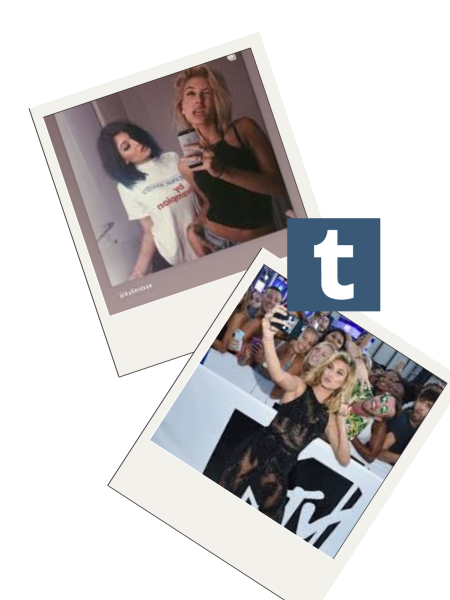 Pop culture has brought 2016 back into the spotlight in 2026. A timeline traces the rise, fall, and return of iconic trends from Tumblr aesthetics and throwback music to fashion staples like skinny jeans and Uggs. Other visuals highlight how social media and celebrity influence have pushed these trends back into the mainstream, showing how nostalgia has transformed old moments into today’s viral content.
As 2016 trends resurface across social media, the question becomes why people feel so drawn to the past in the first place. Nostalgia has become more than just remembering old music or fashion; it’s a way for people to reconnect with moments that feel simpler and familiar. In a time where trends change overnight and social media constantly pushes what’s new, looking back can feel comforting. To understand why nostalgia holds such power, experts say it plays a key role in how people cope, connect, and define their identities, according to the American Psychology Association.
Leadership and dance teacher Jennifer Bedrosian has taught at PRHS for 27 years. She remembers 2016 as a time where dances held at the high school were in great attendance and full of energy. Bedrosian mentions the usage of social media and how it has changed dances in the ways that it’s impacting teens. Teens are now more self-aware than ever.
“In 2016, social media was not what it is now, kids don’t want to be recorded and posted on social media because they don’t want to be embarrassed.” she said.
When asked when the shift was, Bedrosian Believes that the social media game started the shift right around Covid when everyone was quarantined.
“I think society has made people feel self conscious. I feel like you go crazy trying to be perfect.” Bedrosian said.
She mentions how during her years teaching, she has witnessed all kinds of trends.
While Gen Z is rediscovering 2016 through reposts and recreated aesthetics, prior generations experienced the era firsthand. For them, the trends now resurfacing weren’t curated or intentional; they were simply everyday life. Hearing from millennials adds a different layer to the conversation, revealing how the same trends can feel both nostalgic and surreal when viewed through hindsight.