
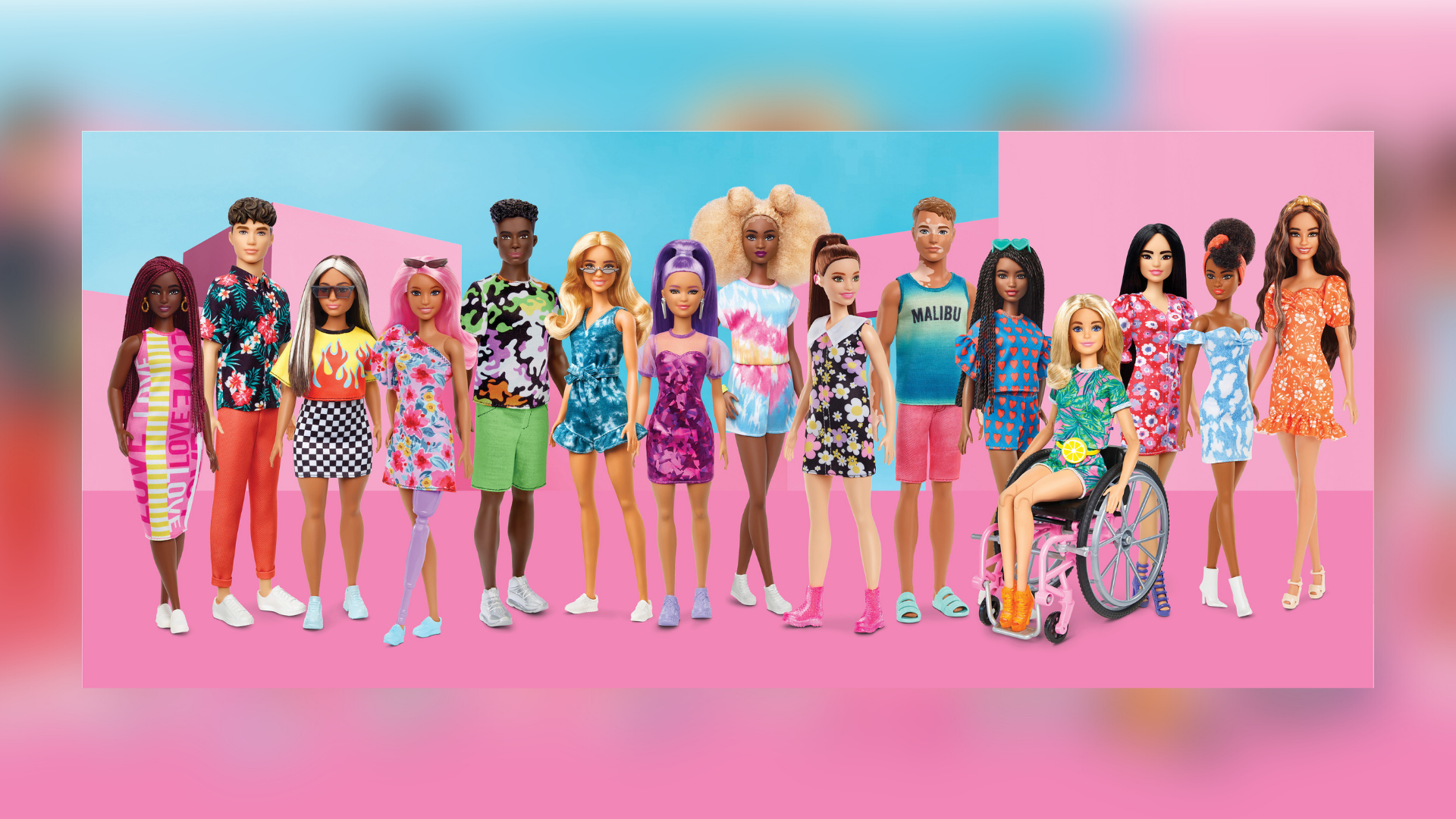
On Jan. 12, 2026, the first ever autistic Barbie was released, joining an inclusive line of blind, hard of hearing, differently abled, vitiligo Barbies, and more. For many, these dolls aren’t just plastic toys; they represent unacknowledged communities and give people something to look up to.
Whether you have a disability, a curvy body, a darker complexion, colorful hair, or a dream that seems far-fetched, Barbie has always been there to remind you: “You can be anything!”– Barbie.
When the first Barbie was made in 1959 by Ruth Handler, she started producing the Barbie with one goal in mind: to give her daughter a toy that allowed her to look forward to her future. At first, Barbie was a fair-skinned, simple girl.
As time went on, however, Barbie became a doctor, an astronaut, a rockstar, and even the president of the United States. She also grew to be more diverse: Barbies of any size, shape, and color can now be found in stores, giving young children all over the world a chance to say “she looks like me!”.
The new autistic Barbie represents those who are on the spectrum in a multitude of ways, due to the fact that each neurodivergent individual is different. Initially, the idea of an autistic Barbie caused some controversy across neurodivergent communities. Many people worried that the Barbie would contain stereotypes for people with autism, and that the community would be misrepresented.
Julie Green, an autistic mother raising an autistic teenager, agrees with the idea that Mattel may have focused too heavily on having the Barbie “look” autistic instead of the attributes those with autism have.
“You cannot tell by looking at someone whether they are autistic. In fact, you know, any Barbie could be autistic Barbie,” Green said.
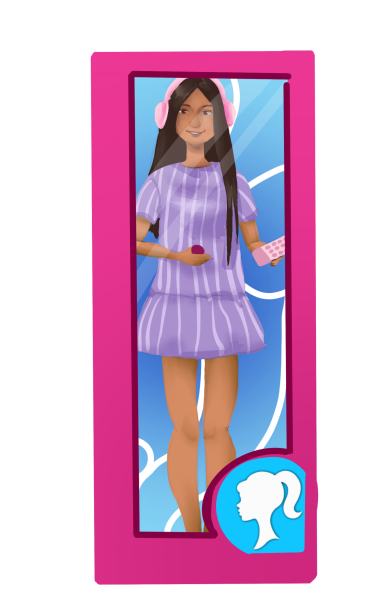
Autism definitely does not have one single look, however, Mattel paired up with the Autistic Self Advocacy Network (ASAN) to create a doll that would contain details for many kinds of autistic. They considered those who struggle with eye contact, communicating, noise sensitivity, sensory issues when it comes to clothing, and stimming. The doll ended up with noise-cancelling headphones, an AAC device for communication, and a fidget toy. She also wears a flowy dress, and her eyes are just past the point of eye contact. With all the thought put into the doll, neurodivergent individuals appreciate the representation, even if it doesn’t completely align with them.
Sarah Kurchak, an autistic author, wrote a piece for TIME Magazine on the new doll. She shared her experience as an autistic person, and how it slightly differs from the doll– but she doesn’t let her experience ruin the lens on inclusivity that the doll carries.
“For me, caring about good autistic representation isn’t just about looking for a mirror in popular culture, it’s about looking for windows into other autistic experiences that can speak to any of us—and possibly expand the general public’s knowledge or acceptance along the way,” Kurchak said.
At Paso Robles High School (PRHS), the special education department gives their all to include every special education student in extracurriculars, sports, and their day-to-day classes in order to help them feel accepted in their environment. The teacher for the modified special education classes at PRHS, Melody Dowling, shares her role as a special educator at PRHS,
“It’s very important that my students not only are in as many general education classes as possible, but that they are truly included and participating in those classes. I do everything that I can in making sure that they’re aware of all of the fun activities at school,” Dowling said.
Dowling’s students participate in sports, dances, band, and creative classes such as ceramics. Dowling also makes sure her senior students get the proper graduation experience through the senior trips. She currently has students in beginner and intermediate dance, and has had students participate in cheer and the beginner band classes in the past.
Regarding the Barbie doll, Dowling appreciates the efforts made to represent autistic individuals. She had heard about the doll briefly through social media, and thought that it was a good idea to boost acceptance.
“I know students are always really excited when they see something that relates to them, whether it’s about their culture, stability, or ethnicity,” Dowling said.
Dowling shared that she enjoys the fact that inclusive toys are shedding a positive light on people with disabilities, instead of continuing to shun representation aside. Many Barbies with wheelchairs, prosthetic limbs, down syndrome, and more have also made an impact on their respective communities. Mattel has also partnered with Black Girls Code in order to promote more young girls to chase STEM careers.
Barbie has grown to represent communities all over the world, and her representation matters. Normalizing disabilities or physical features that may be deemed as “unnatural” helps people understand and learn to accept new ideas, and this is especially true for a toy whose target audience is children.


