As Texas Congresswoman Jasmine Crockett gains national attention for her confrontational hearing style, PRHS students are analyzing how political culture and leadership strategies differ between Senator Alex Padilla and Congresswoman Jasmine Crockett.
 Crockett, a Democrat representing Texas in the U.S. House of Representatives, has become widely recognized for her direct and assertive exchanges during congressional hearings, many of which are widely viewed on social media. She is currently running for a leadership position in the 2026 Texas Democratic primary. Crocket’s policies are most commonly known to provide reproductive freedoms, have strong public schools and provide healthcare for all.
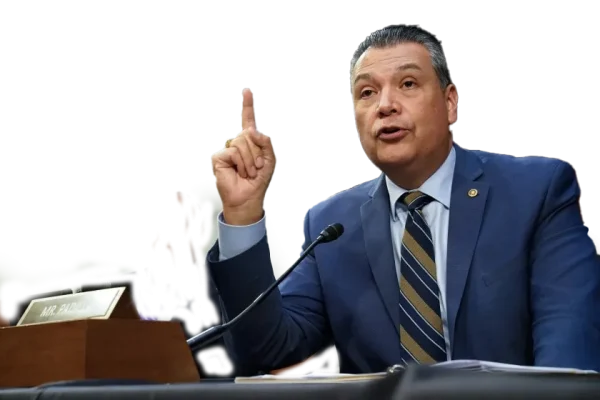 California Senator Alex Padilla, who has served since 2021, is known for focusing on legislative efforts involving immigration, voting rights, and climate policy. Both Padilla and Crockett belong to the Democratic Party, yet they operate within very different political environments.
Both Crockett and Padilla have strong academic backgrounds. Crockett’s legal training influences her courtroom-style questioning in hearings, while Padilla’s engineering degree contributes to his policy-focused approach. Despite their qualifications, the way they are perceived by the public differs greatly.
Crockett’s assertiveness in Congress has drawn attention to her leadership style. During a congressional hearing, she questioned Department of Justice leadership with a series of direct and emotionally charged statements, addressing both witnesses and survivors. The exchange quickly circulated online and sparked debate over tone and professionalism. Supporters viewed her approach as powerful and necessary, while critics argued it was too confrontational.
Students say these moments influence how young people interpret political leadership. Emily Galiano, a sophomore in AP European History, believes Crockett’s emotional expression helps people connect with her message.
“I felt like she showed her anger and how frustrated she is with the administration, and I feel like that’s why she might get a lot of support from people, because she’s expressing the anger we all feel right now.”
Padilla has also faced public scrutiny. On June 12, 2025 Padilla was forcibly removed by federal agents while attempting to question Secretary of Homeland Security Kristi Noem at a press conference in Los Angeles. After identifying himself, Padilla was physically escorted out of the room, which drew national attention and criticism.
Both leaders have experienced moments of public conflict, yet their leadership styles are perceived differently. Crockett’s expressive and confrontational approach often goes viral, while Padilla’s quieter, policy-focused leadership is often seen as more traditional.
Clips of heated political exchanges frequently trend online, while detailed policy discussions receive less attention. For many young voters, these moments shape their first impressions of political leaders. Lucy Hitchew, a sophomore, emphasized the importance of representatives and their role in government.
“Loyalty and taking action within our government is important. If you make mistakes [ as a person in power within the government] what matters is that there’s enough care to take action and change.”
As younger voters continue engaging with politics through social media, leadership style may increasingly shape how politicians are viewed. Whether assertiveness strengthens or weakens credibility remains an ongoing debate in political science.