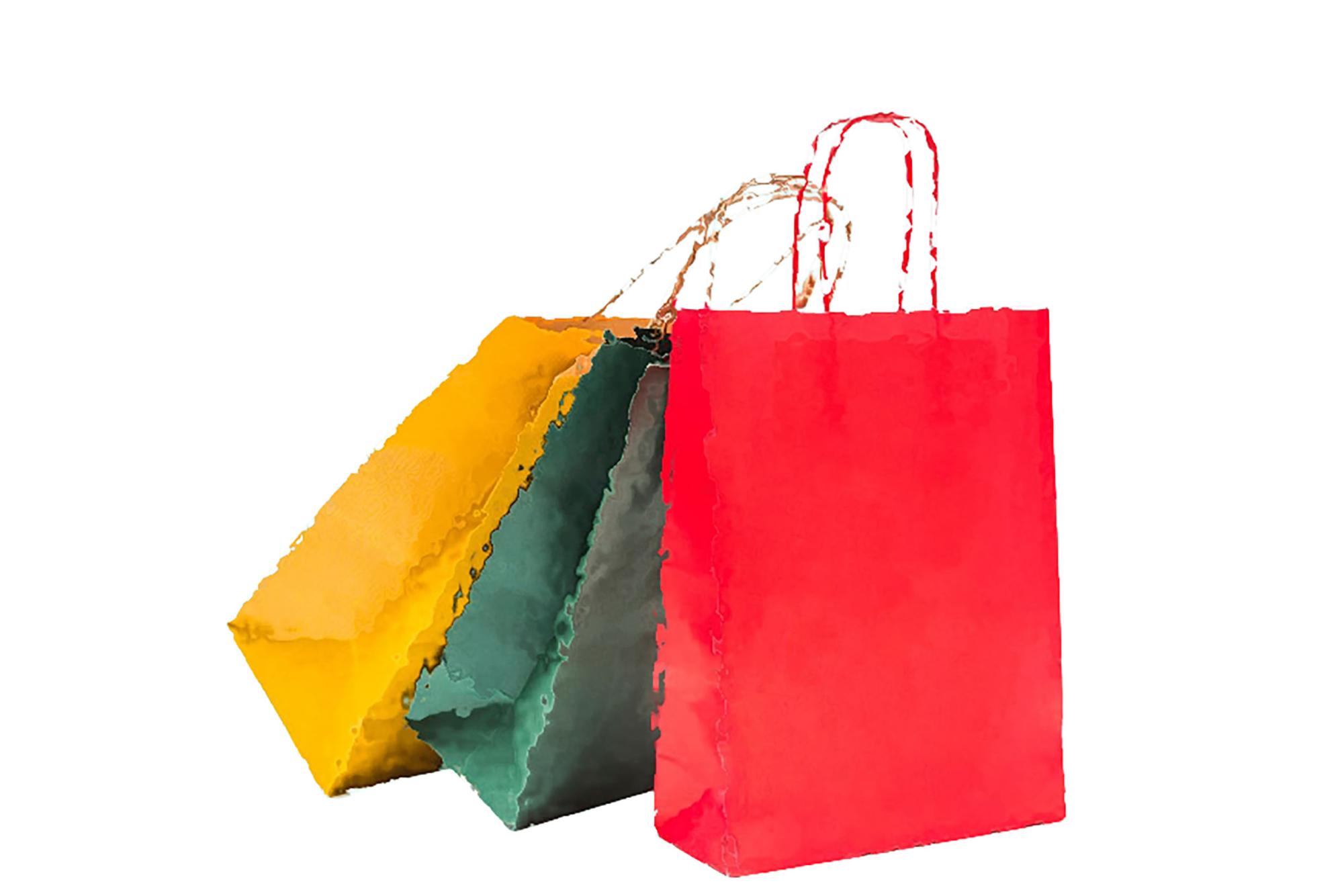

On Sep. 22, 2024, Governor Gavin Newsom signed Senate Bill 1053 (SB 1053) which halted the distribution of plastic bags in large corporate stores and pushed for a shift to paper bags. Companies like Walmart and Target are just now making this environmentally friendly switch; while smaller businesses like local business The General Store in Downtown Paso Robles have been providing paper bags since their opening in 2013 prior to the requirement.
In 2014, California became the first state to issue a plastic bag ban under ex-Governor Jerry Brown. This ban allowed businesses to detect a loophole that allowed them to sell thicker plastic bags and charge a 10-cent fee, a requirement introduced by the 2014 regulation.
However in 2021, California still dumped 231,072 tons of plastic bags in landfills, almost 100,000 more tons than in 2018, according to a report done that year by CalRecycle.
From what scientists and environmentalists now know, plastic bags take at least 20 years to degrade but the plastic material itself never fully dissapear. Plastic litter decreases the nutrients in the soil, air, and water when left to degrade. From the 2014 attempt, the thicker bags led to more pollution in marine and terrestrial life by a 47 percent increase of plastic weight.
Her mother owns the General Store downtown, and Waters has worked there two times a week for four years.
Waters explained how the store originally started using paper bags for the aesthetically pleasing look, but with this decision comes the expense of buying paper instead of plastic. While she works, she restocks about three boxes of 25 bags each shift as the stores sell on average 300 to 600 bags per week, constantly fluctuating each week.
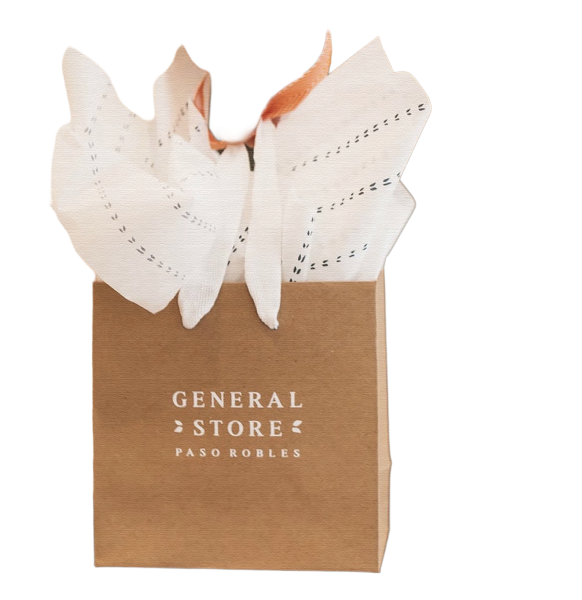
The General Store spends an average of 40 cents per bag, making a box of 25 around $10— as opposed to 5 cents per bag, making a box of 25 costs $1.25. However, they chose to provide their customers with reliable carry ons, free of charge, because that is a service they account for when buying their stocks, as Waters explained.
Now with SB 1053 in place, instead of the minimum being 40 percent recycled materials that a bag should be made of, it has been changed to 50 percent which is expected to be in place starting Jan. 1, 2028. Although, the price of the bags are still set at a minimum of 10 cents, according to the California legislative informational website.
If producers obtain a required certification to sell certain bags, consumers have an alternative to use other bags that meet requirements regarding the bag’s material, durability, etc; these bags could be made of plastic films that were recycled from other reusable materials, making it more environmentally friendly.
Since prior investigations of finding at least eight metric tons of plastic debris entering the ocean each year, by 2050 scientists have predicted that there will be more plastic than fish in the ocean. Moreover with the climbing rates of plastic litter around California, the state spends almost $428 million annually to clean up the litter and contribute control efforts to help prevent the issue.

With the new bill in place as another form of regulation, individuals can drive along the 101 and start seeing the effect of this change with the absence of vast amounts of litter on the other side of their windshield.
“Anything where it’s a regulation or you’re making people do something that they’re not used to doing, it’s hard because, for them, it’s a switch. There is usually a financial cost to that and I think businesses will pay some of that burden,” engineering teacher Alyssa Bredensteiner concluded.