The cause
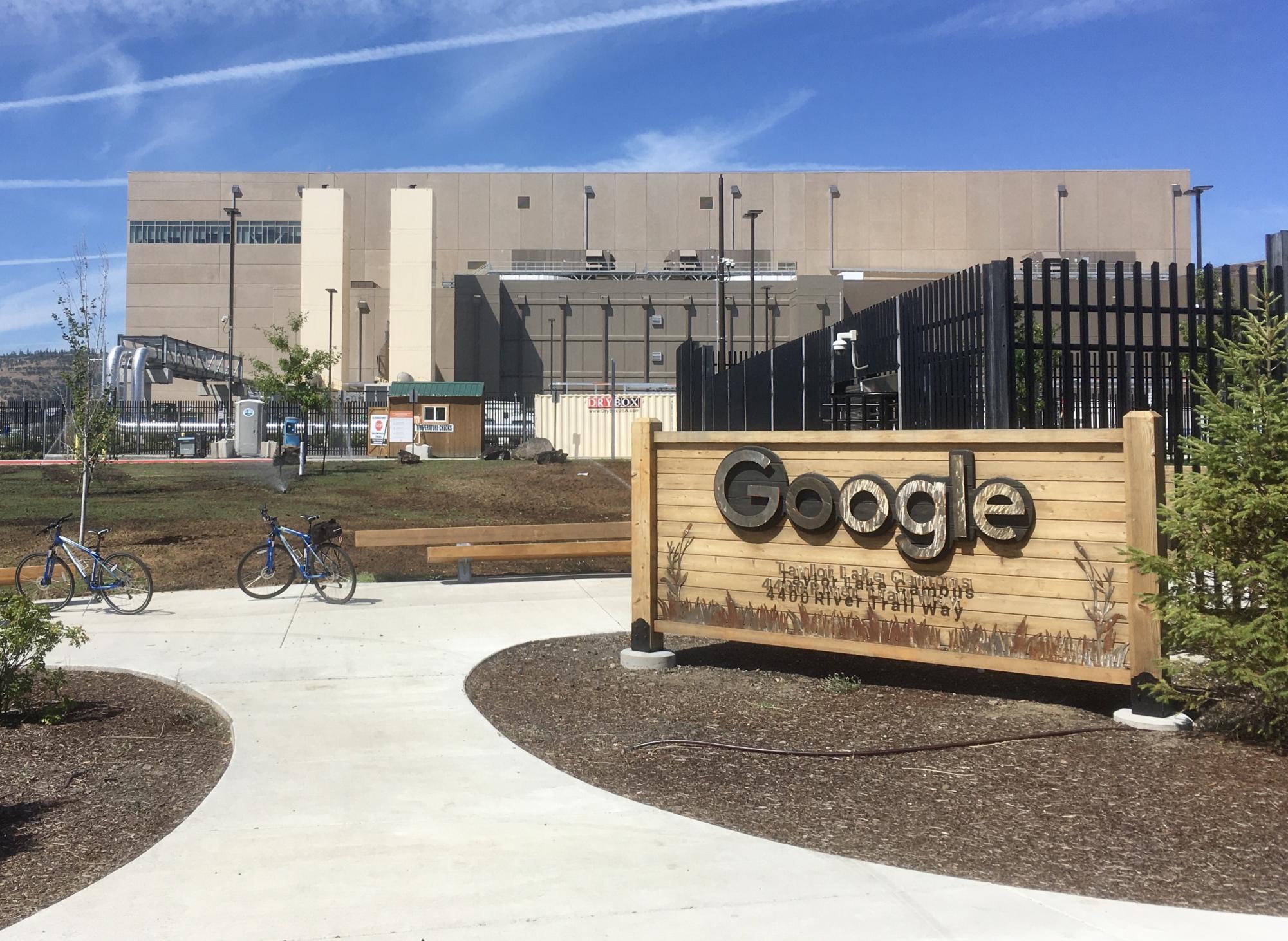
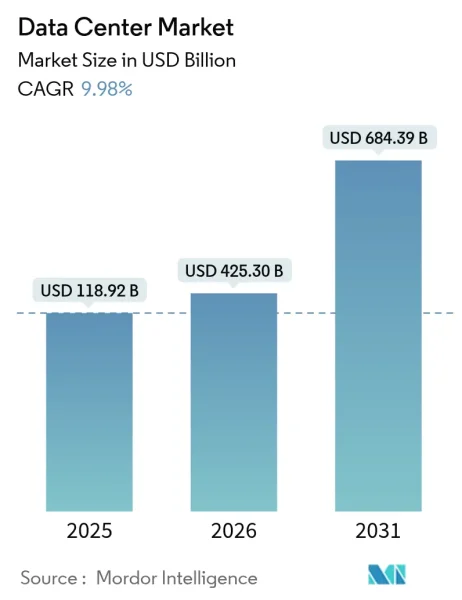
Hitherto data centers have been built in the United States essentially since the beginning of computers and online material, and these places are meant to store the tremendous amounts of data flowing across the global internet. However, with the rise of Artificial Intelligence (AI), data center construction has spiked in magnitudes across the U.S., with spending on data centers growing 25 times more in comparison to 2014.
The demand to process this overwhelming amount of information also creates unfortunate environmental consequences, such as the consumption of water sources to cool the data processors within these centers and the destruction of previously protected green areas in need of physical space to store these processors.
According to Cal Matters, in our home state of California, data center construction has doubled since the launch of large scale generative AI, as well as water consumption has more than doubled. California is a prime spot for the growth of data centers for AI primarily because of Silicon Valley, the famed location for prospective technology companies and workers and a hot spot for entrepreneurs. Additionally, California is the 5th largest economy, surpassing India (over one billion citizens) according to ca.gov.
The damages
A research study at Cornell University found that by 2030, if AI growth projections continue, it would be equal to adding five to 10 million active cars in the U.S. and would be equivalent to increasing the carbon dioxide intake of the atmosphere by 44 million tons. Recorded in 2026, as of now there are 38 billion metric tons of carbon dioxide being emitted into the atmosphere. While adding 44 million into 38 billion might not seem like much in the short term— this is part of the larger problem of global warming. If every time there is some new commodity which releases, and then the carbon emissions are dubbed as a small price to pay, then that feeds into a larger snowball effect until it is too difficult to control, which is what we are seeing now. Although in the future there may be no snow balls remaining in the first place…
Liquid cooling is a popular method for decreasing temperatures of operating systems; it’s efficient and if constructed correctly poses little issue to the device. Just like regulating the temperature of a pot with water, data centers also use this to prevent power and internet outages which so many people rely on. The dilemma is that this water cooling uses up to 5 million gallons of water per day, according to the Environmental and Energy Study Institute. Multiply this 365 days, and the result is 1825 million gallons of water per year for just one data center. On top of that, imagine how many data centers are being constructed annually and how many there are currently. That’s the same as adding hundreds of new cities with full populations popping out of thin air, with all of the water consumption that comes with it. Humanity cannot continue this abhorrent use of limited supplies, especially for private ventures such as these.
While these statistics may seem dreading, there are things an individual can do to help mend these damages. Avoiding the use of AI is a major factor— there are even extensions you can add to your personal device to disable automatic AI responses on applications such as Google Chrome. If there is no public incentive to use AI, then the data centers for the maintenance of AI computing will cease to exist, and along with it the water use and carbon emissions.
Still interested in learning about data centers? Watch this video: