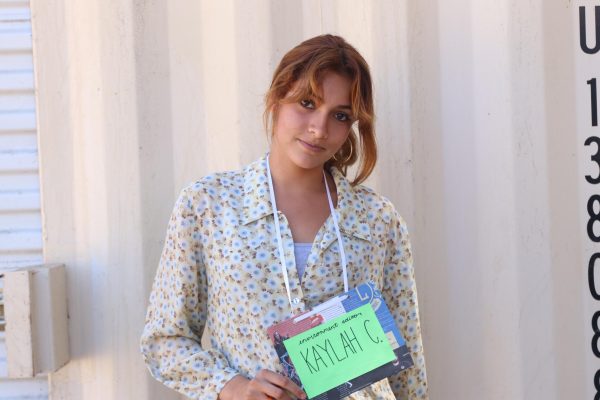
A frequently asked question asked within the world of agriculture within youth programs is: which program prepares kids better 4-H or FFA for life? Both programs share similar values; they teach responsibility, leadership, and representation of what a community should look like. Both 4-H and FFA give other youths the opportunity to raise animals, step into leadership roles, and prepare for what’s ahead in agriculture. While they share similar goals they differ in structure. 4-H is built on a family-like community where kids of any age are welcome, with FFA emphasizes independence and is tied directly to high school classes.
Paso Robles has some FFA classes but it does not have a 4-H program. Some of our FFA teachers include: Ms. Weiss who teaches welding 1. Last year she had Ag. leadership, Ag business, and environmental horticulture, however, those classes are no longer available. Mrs. Clark teaches three levels of floral classes. Mrs. Gardner teaches three levels of animal science classes. Mr. Vierra teaches four levels of Ag welding.
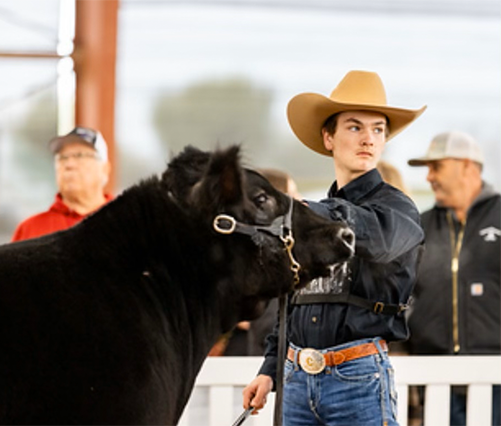
Each livestock animal is different, and allows for youths to pick animals that they enjoy being around.
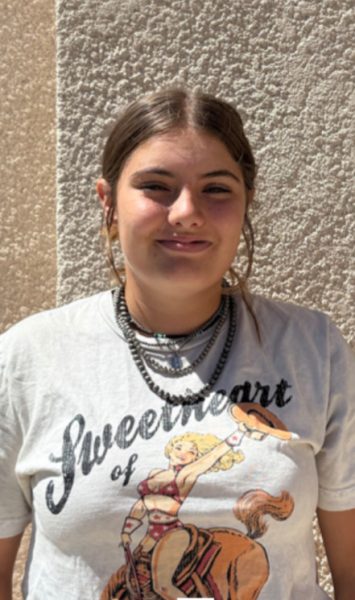
Jaxyn Myers, a PRHS FFA junior who has shown pigs for several years explained caring for pigs and all livestock in general means paying attention to feed, water and waste. This connects to the circle of life and how animals and the environment co-exist together. Myers says, “I really like working with the animal and getting to know it, because they’ll have different personalities.” On a related note, 4-her Lorelei Davis who shows goats agrees.
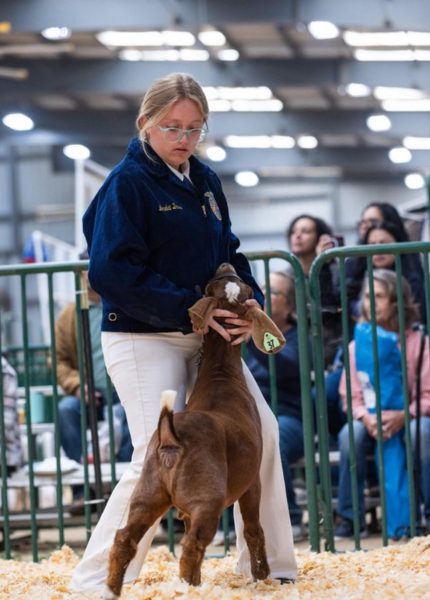
Over six million youth are involved with projects across the US according to the National 4-H organization. There are 850,000 FFA members according to the national FFA website? Organization? What do these numbers mean? Participation from both groups have a major impact on the world of Agriculture and the environment in lasting ways. With both of these programs kids learn about the environment and knowledge on animals.
Animals impact our environment in many ways, in one way according to Natural Resources Conservation Services, “Livestock practices help reduce soil erosion, promote forage growth, improve water quality and help provide water, and others.” In addition to benefiting livestock to live long, fulfilled lives, they benefit the lives of people in terms of their diets.
Within 4-H there are multiple chapters to be a part of Lorelei Davis is a part of Ranchita Canyon. She described 4-H as a family-like environment in which parents come together and community members to support your projects but
it also happens to be a bit more lenient. Davis stated, “FFA requires students to log their hours and finances, making it more demanding than 4-H. FFA is definitely more independent oriented.”
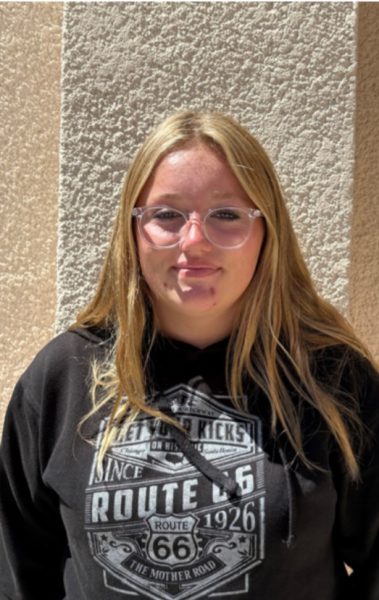
From learning the responsibilities that come with raising livestock to gaining leadership skills in the classroom, 4-H and FFA members represent the future of agriculture. With six million youth in 4-H and 850,000 in FFA, ideas and lessons taught go beyond showing at the fair.
Both programs are shaping youth to not only care for their animals but also to serve their communities. The impact of these programs will continue to extend beyond the fairgrounds. Both shape youth to grow and to evolve. Whether through the independence of FFA or the family support of 4-H, the growth of tomorrow’s leaders is in place.