Are We Keeping Up?


We are all familiar with the American school system, ingrained into us from kindergarten or earlier— now imagine beginning school at 8 a.m., but not going home until 8 p.m. after hours of extra study, every day. Picture never having Friday night football games, school dances, or lunchtime ASB activities. For students in countries like Japan or Finland, this may be a typical school experience. While Paso Robles High School students balance homework, sports, and social events, schools across the globe take different approaches to education, discipline, and daily student life.

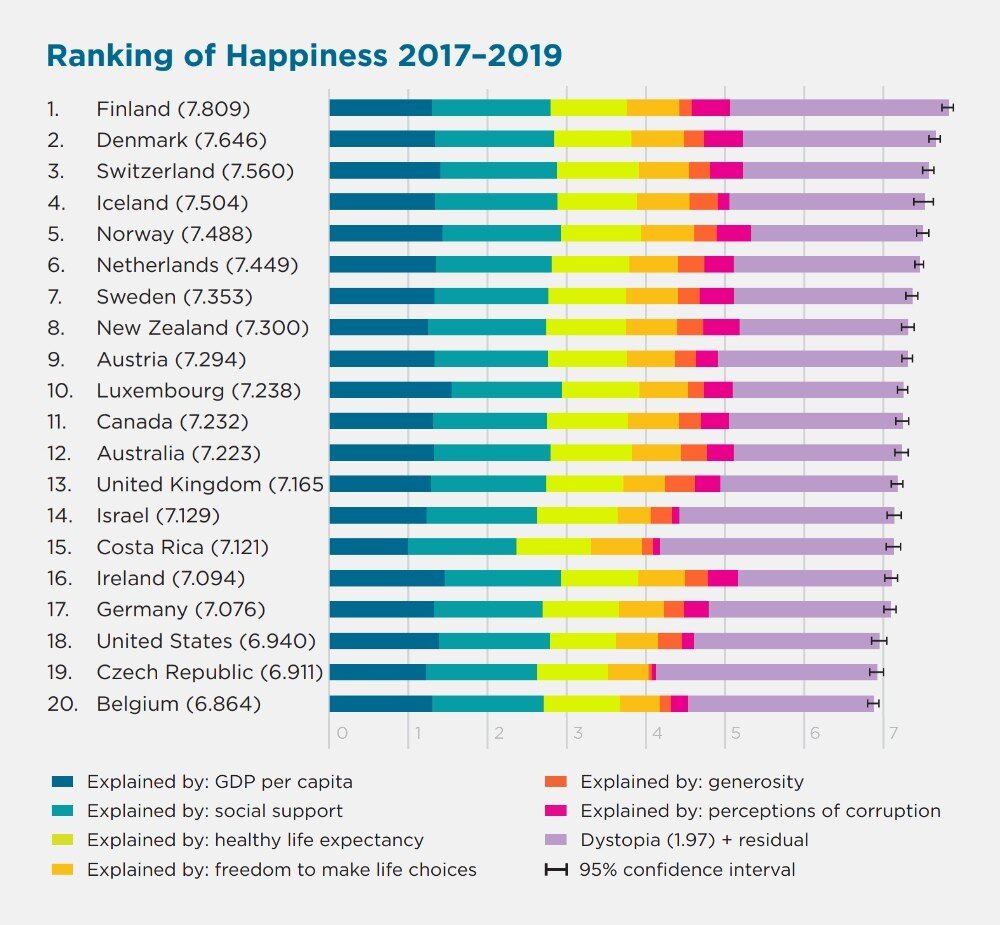
Despite American high school’s continual effort to boost morale with pep rallies, dances, football games, and other school spirit activities, the United States is ranked the 24th happiest country in the world; while for the past eight years, Finland has been ranked the happiest nation in the world, according to the World Happiness Report. Yet Finnish high schools do not partake in these activities, prioritizing academics over other activities. Instead, Finnish high schools do not have school sports and have respected and highly rated teachers.
Finland
Finland generally has the same curriculum throughout the entire country, creating better communication between school districts due to the small population of five and a half million compared to the United States’ 340 million. In the US, each state has a differing education system (albeit there are some common core requirements), limiting the possibility for a comprehensive, centralized

overhaul of the school system. The reasoning for this is that each region has different needs and strengths, and that the United States is far too large to have a fully federal education system because of political bickering.
In terms of sports, Finland’s prioritization of academics results in them being hosted in the evening. Additionally, universities in Finland care far less about sports in comparison to the US, allowing for focus on academics. Once homework, dinner, and rest is completed, sports are then the go-to. Moreover, these sports are not hosted by schools but rather local organizations and clubs.
Teaching positions in Finland are extremely competitive. A master’s degree in teaching is required compared to a bachelor’s in the United States, and only 10% of applicants with a masters degree or above are accepted to ensure that students receive the very best instructors (The Guardian). In the US, teachers work an average of 53 hours per week, while Finnish teachers work only 37.5 per week, lessening stress and creating a better atmosphere for the students.
Japan
Japan, known for its rigorous school work, structured classroom environment, and emphasis on respect has made its way to some of the top positions on the world stage in terms of education. To gain entrance into specific high schools, junior high school students have to take examinations (juken) which determine which competitive high school they will be attending. Different high schools have different prestige and desirability, and the entrance exam functions similarly to college applications in the US, but much earlier on. After high school, many Japanese students will attend university which has greater competitiveness and stakes.

Japan has a 99% high school graduation rate, compared to the US’ 87% (ed.gov), as well as being world renowned for its high mathematics scores, ranking sixth place worldwide. Eighteen is the earliest someone is able to obtain their driver’s license in Japan, making public transportation very popular for students returning home. School expectations of respect and discipline are still in effect even when students are returning home, such as letting an elderly person take your seat. Students do not typically switch classrooms throughout the day, but rather, the teachers will move classrooms when the next period has begun. This is meant to instill a sense of comradeship with the students, as they’ll most likely have the same students in their class for the entire year. Moreover, cleaning duties (O Soji) is an event at the end of the school day where students will clean the classroom, such as emptying trash, wiping tables, sweeping, etc.
While PRHS students are able to have entertaining school events mixed with challenging classes, other countries around the world have different ideas for what school should be. Some of these result in anxious students cramming for their exams but receiving top-notch scores, while others are more laid back and casual. Currently in the US it is uncommon for school districts to look towards foreign school systems to compare and make improvements to our own.
Your donation will support the student journalists of Paso Robles High School. Your contribution will allow us to purchase equipment and cover our annual website hosting costs.