College sports and the transfer portal have been a subject of consistent dispute in the past few years, with some arguing that college players shouldn’t be able to transfer to a new team yearly while others maintain that the modern portal compensates players fairly, but other implications have quietly arisen for high school athletes. Today’s world of college sports wouldn’t be complete without the divisive nature of the transfer portal. With the addition of NIL, (compensation for name, image and likeness) many athletes have begun to prolong their stays in college. Athletes previously left college early for a high paying professional career, but the current compensation system has enabled them to earn just as much money in college, all while using the extra years as a last ditch chance to boost their draft stock in preparation for their professional careers. In the process, they crowd the teams with upperclassmen, and make the uphill battle of playing college sports even steeper for current high school athletes.
High school prospects can begin to receive offers their junior year, usually speaking to various coaches and sometimes being invited to visit said colleges before finally committing to their top choice. But, say the situation isn’t right: there’s an injury that holds an athlete back, or a coach that doesn’t see them in their plans and benches them. College sports have a saving grace called the redshirt, granting an extra year of eligibility if an athlete plays less than 4 games of football or sits out the season for basketball, and a medical hardship waiver that can grant yet another year of eligibility. In the short term, most coaches would prefer a seasoned, experienced player that can help them win now instead of an athlete fresh out of high school, who might need years just to be prepared to see the field.
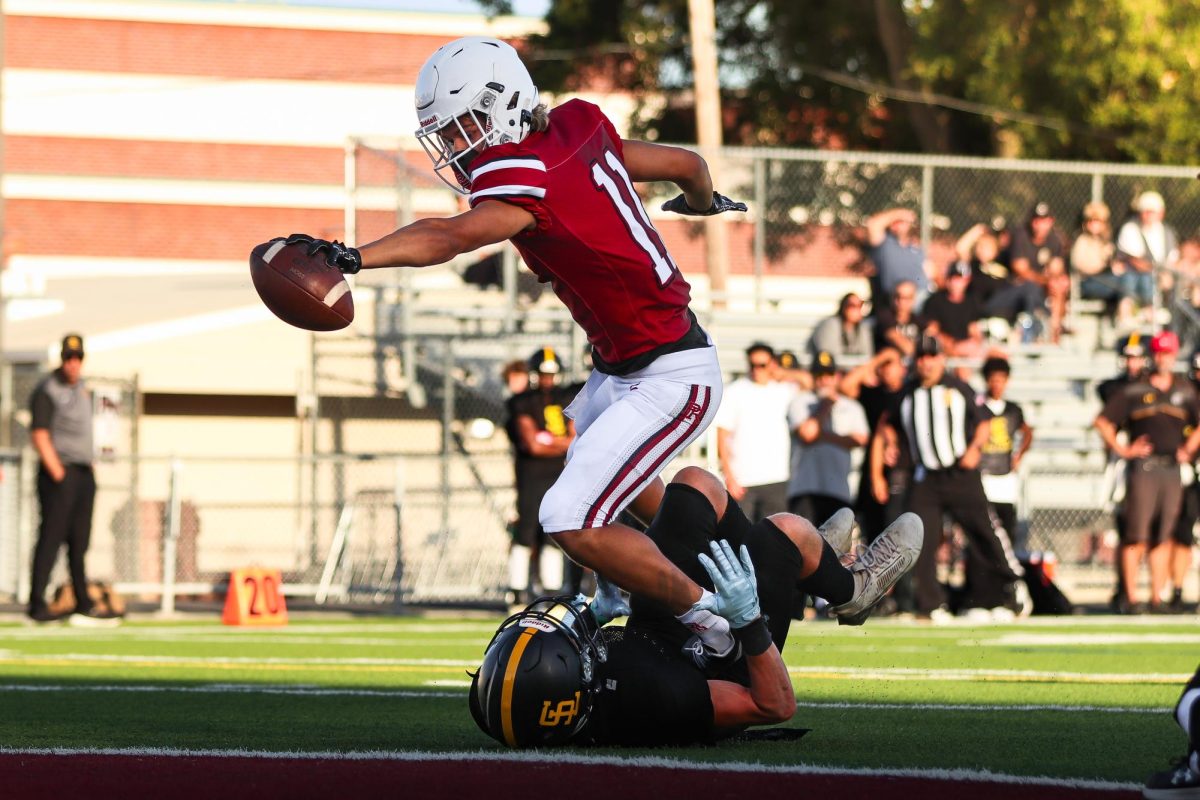
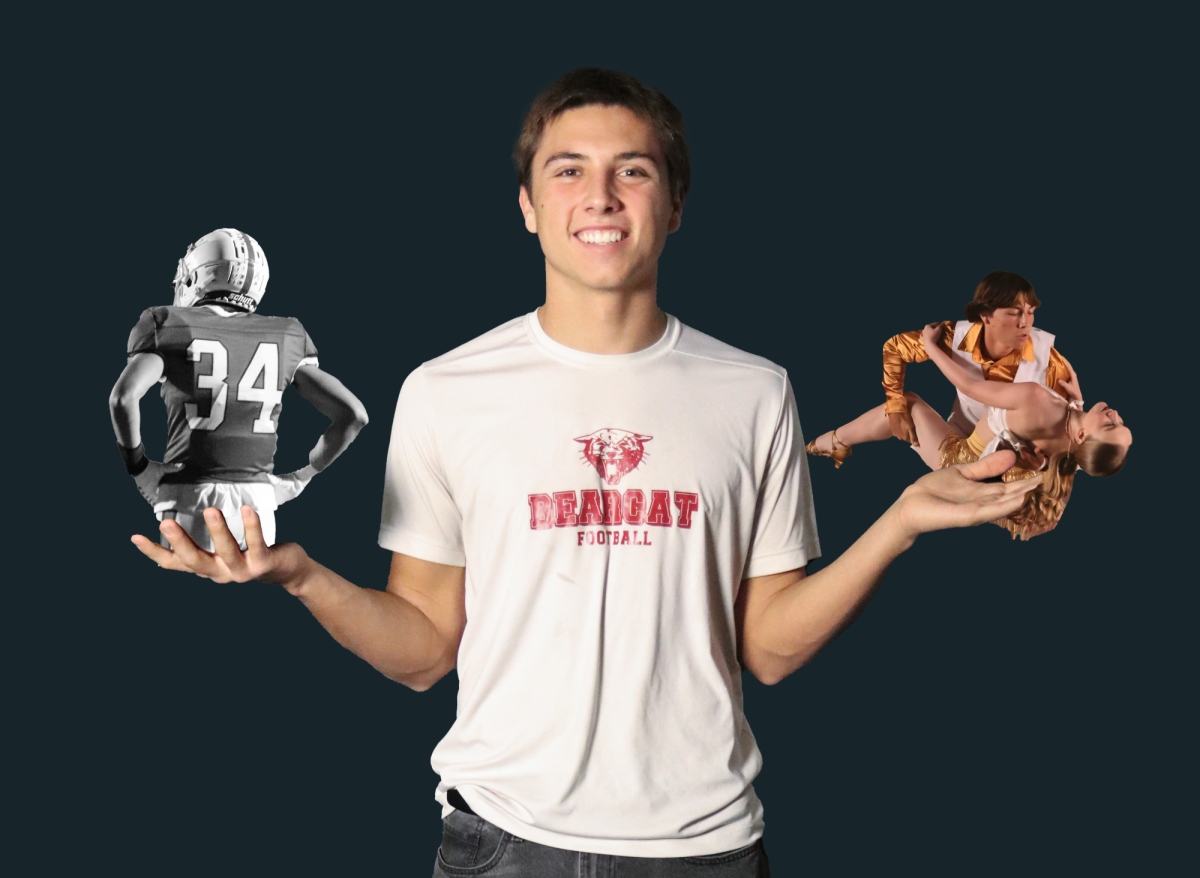
“If you were a coach, you would want to pick someone who’s already experienced within college football,” says senior running back Kassim Williams, speaking about his battle to gain a Division 1 offer,
“I’ve had a few [Division 1] schools that I’m trying to reach out to, but they have their guys already from college.”
Williams already holds six offers between the D2, D3, and NAIA levels, but the portal has created a barrier for many high school athletes like him looking for the highest level of collegiate sports.
The 2026 College Football National Championship was a prime example of this: 31 of the regular 44 starters between the two teams competing were at least fourth year athletes, most notably sixth-year QB Carson Beck, showing the huge disparity between high school and collegiate athletes.
However, Williams also noted the opportunities of the transfer portal system.
“Right now, it’s harder to get recruited by those big schools, but when you get to college and you actually play, you enter the transfer portal and you’re more likely to go to a big school.” Williams said.
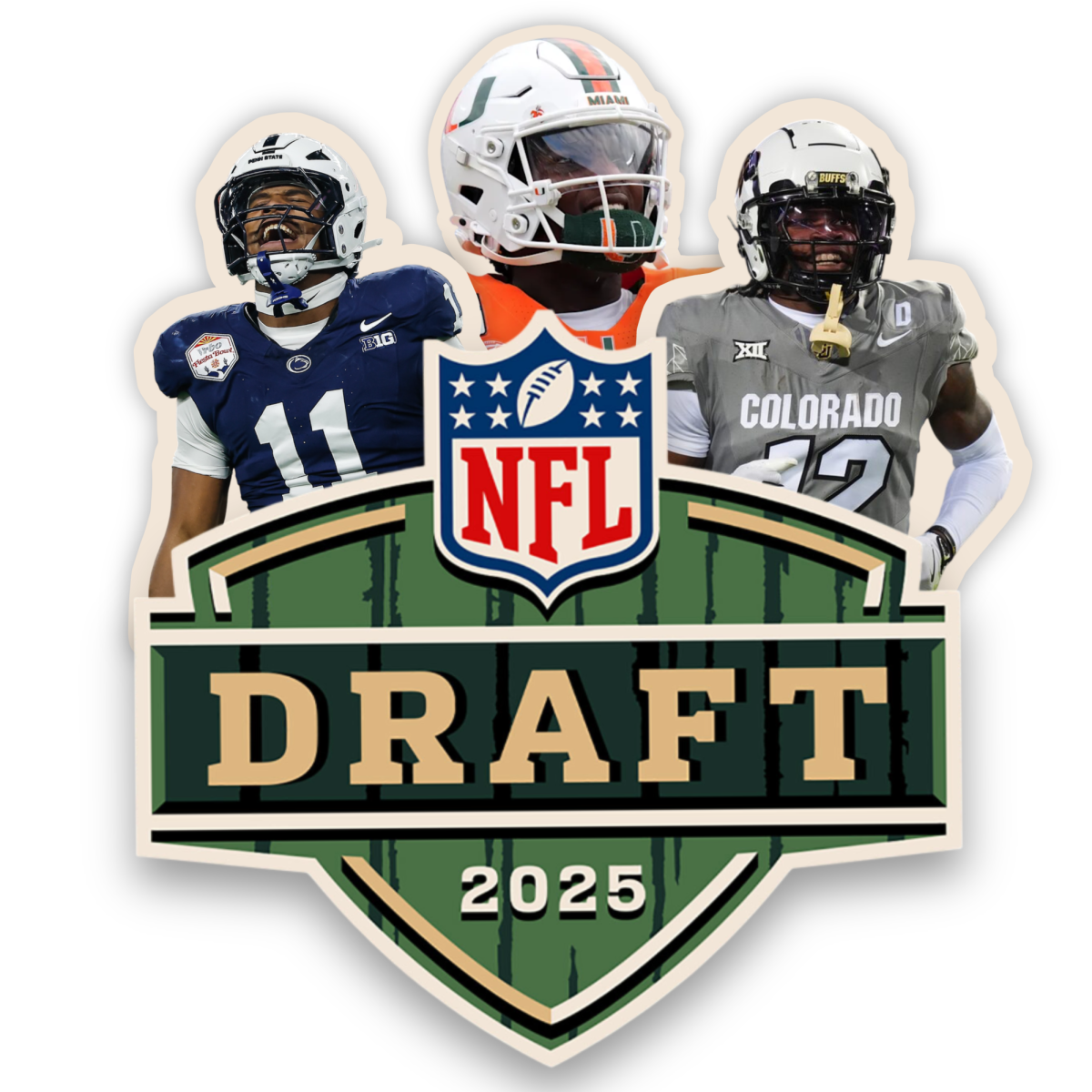
There have been plenty of success stories in recent years with players transferring up, using the portal as a way to advance their career. The 2025 NFL Draft’s first pick was Cam Ward, a fifth year quarterback from Miami who spent two prior years at Washington State, and the two years before that at FCS level Incarnate Word. The ability to effectively move up in the world of college football is something that’s been heightened by the present day portal.
The transfer portal is by no means perfect, and some athletes benefit more than others. Yet, the transfer portal remains a harsh part of the reality of modern college sports, and no regulation or changes will be able to fully ‘fix’ it for high school athletes.