Scroll, scroll, scroll, scroll… 47% of high school students start and end their days exercising their thumbs. As they skim through TikTok, Instagram, Snapchat, or Youtube, they are simultaneously scrolling from precious moments in life. What students don’t seem to know, however, is that social media actually takes a lot more from us than it gives to us. An overuse of electronics can lead to mental health declines, physical issues, and addictive behaviours, according to UC Davis health.
The dopamine boosts and the connection that can be found online can be hard to replace, especially when the average teenager in America spends an average of 4.8 hours or more on a screen daily, according to the American Psychological Association (APA). Although the usage of technology isn’t always bad, there are underlying harms to constantly being on it.
Social media is designed to suck you in, whether that’s by telling you how many likes you got on your latest post or spamming you with message notifications from your friends. Every ding from a phone is alerting, and you feel the urge to check it automatically. This is because the use of social media activates the “rewards system” in our brains, which releases dopamine and entertains our minds for short periods of time, according to UC Davis health.
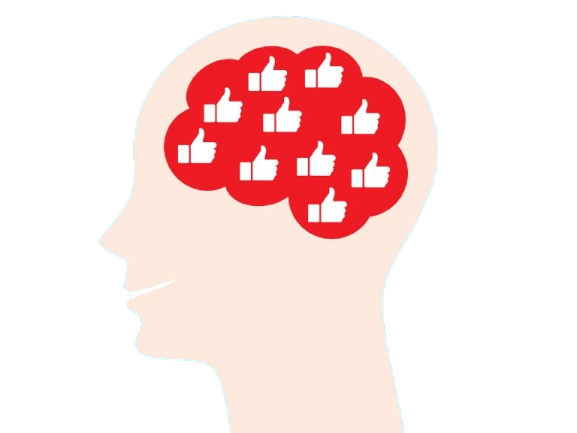
Mentally, these constant releases of dopamine actually ruin the rewards system in your brain. Dopamine (aside from social media) is typically released when you experience pleasure, whether you do something fun, eat good food, or make a new friend. However, when you constantly scroll through short videos, dopamine is released too often, and the feeling of being rewarded or pleased is slowly eroded. Dopamine is more than happiness; it’s your main motivator, and makes you want to do something that you may think is beneficial over and over. This is why scrolling through social media so often can be harmful– your brain thinks it is beneficial, and you become addicted to scrolling. This dependency to scrolling through social media can be similar to that of a drug, gambling, or drinking addiction, according to Mental Health America.
Without a screen in hand, it is common to feel lonely or depressed. This is because you won’t feel as stimulated by the world around you, and social media desensitizes you to in-person interactions. Passive scrolling and the content you’re exposed to also plays a role in mental distress, according to Rego Park Counseling. People experiencing symptoms of depression may use technology as an outlet to soothe their feelings, but this is an unhealthy coping mechanism. Our brains are not equipped to process the hundred bits of information that we are exposed to daily, and important news or information becomes hard to retain and seems redundant.
Dino Ambrosi, founder of Project Reboot, is a “former tech addict” who changed his relationship with technology after years of struggling with scrolling in order to benefit him. Now, he uses Project Reboot as a resource to teach teenagers and young adults how to use technology as a tool, instead of being consumed by the online world.
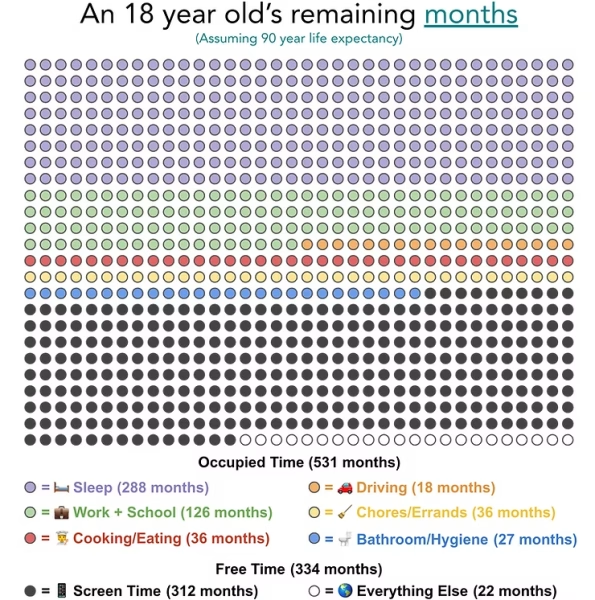
Through a TedTalk called “The Battle for your Time”, Dino Ambrosi shares data on the estimated time (in months) you will spend doing certain activities, assuming a life expectancy of 90 years old. It is expected that you will spend around 288 months sleeping, 36 months doing chores and errands, 126 months working or doing school, and so on. When added up, it is estimated that you will have 334 months of free time in your life. However, data shows that the average person will spend 312 of these 334 months on a screen. That leaves you with a mere 22 months left for hobbies, travelling, quality time with family, and more. This research reflects that the grasps of technology can be hard to escape, and a lot of time is given to it for not all of the right reasons.
At Paso Robles High School, teachers have noticed students often sneaking onto their phone in class and being easily distracted. Advanced Placement Literature and English 3 teacher Joy Raithel has noticed that, although technology can be used as a tool, many of their students are misusing it.
“I definitely do see a dependency on technology, and that having this information at our fingertips makes us second guess our own knowledge and our own abilities,” Raithel said.
In their classroom, Joy shared moments where their students are attempting to use technology as a tool, but fail to retain the information that they learn from a quick google search. For Joy, it’s obvious which students have taken their education seriously and who has skimmed their way through assignments.
When asked, Joy was unaware of the exact amount of time given to screens. However, they shared a unique perspective on how technology may affect your future.
“You’re on your deathbed, your life’s flashing before your eyes. You’re thinking about what you’ve done in your life. Do you want that to be a series of videos that you’ve watched, or life that you’ve made for yourself?” Raithel said.
Most people, when they hear about the damages of social media, think that it does not apply to them and that they can escape it. The truth is, though, that you cannot escape time. It will pass either way, and it’s up to you to decide what you do with it. Technology can be useful, so it’s important to build a healthy relationship with your phones and electronics early-on. If you find yourself struggling with scrolling, trying new hobbies or setting time limits on your devices may help you.