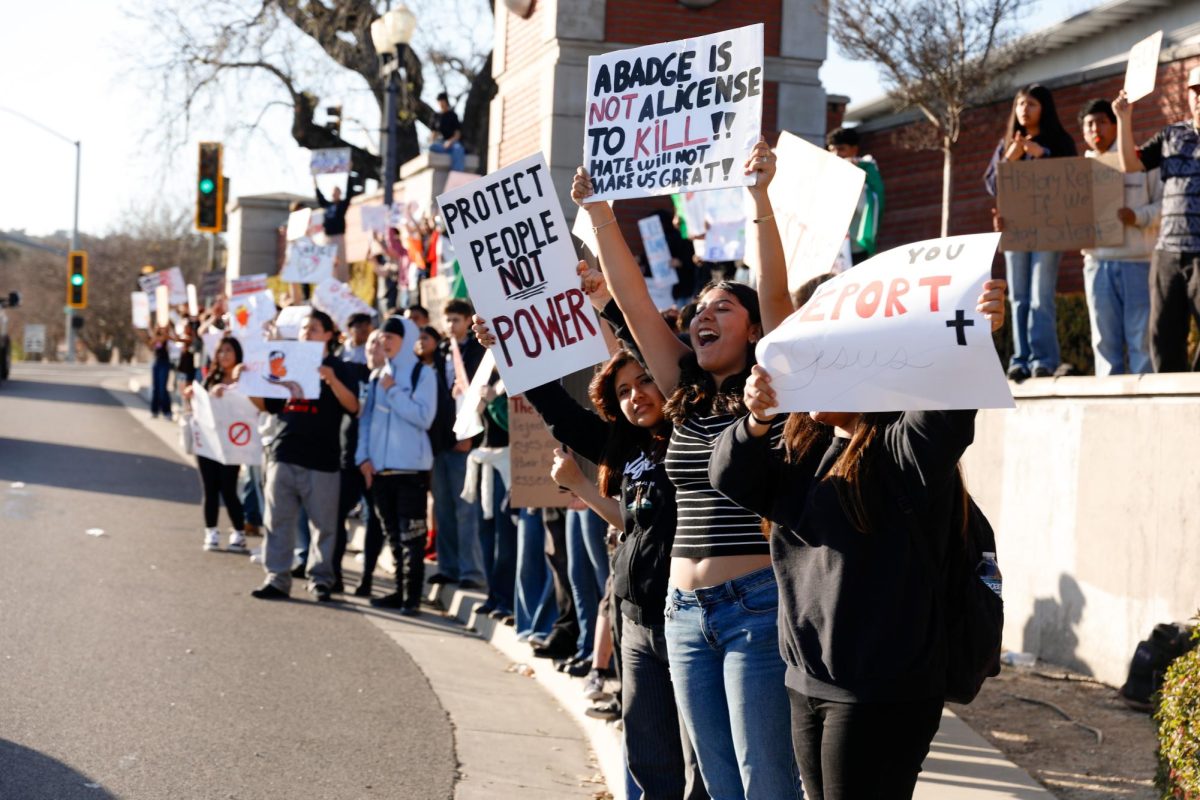
Growing up honoring the people who gave you the opportunity for a better future is a defining part of the first-generation Chicano experience. Latino Bearcats often carry the weight of not only succeeding for themselves but also for the families who sacrificed everything for a chance at something better.
The term Chicano usually refers to people whose parents left their homeland and came to the United States in search of better opportunities, according to Britannica.com. Studies from BestColleges have shown that as of 2018, roughly 51% of Latinx students were the first in their families to attend college, and as of 2025, Latinos made up around 10% of the total graduating student population. Despite these growing achievements, many Chicanos often face struggles that others may not always see, understand, or even recognize. Whether it be for the sake of family, job opportunities, or freedom, the bottom line is that they came to improve their lives and especially the lives of their children.
The struggles of first-generation students are often overlooked.
The US school system is
usually complex, filled with expectations, rules, and routines that can be confusing for newcomers.
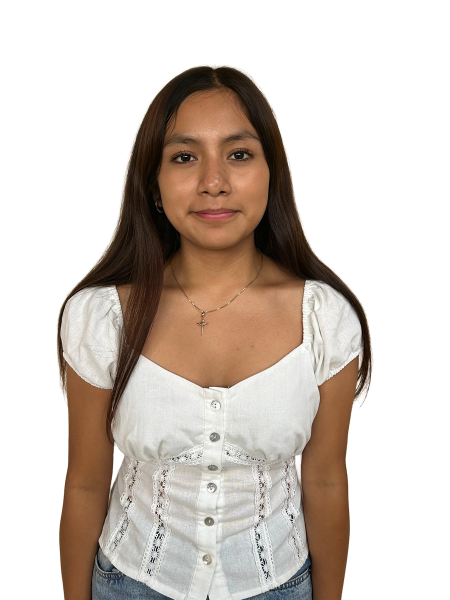
For many latino families, these systems are unfamiliar territory. Junior Luz Analleli Prado-Esteban, whose parents are from Guerrero, Mexico,
“I try to explain to them about AP classes or Honors, but they think it’s like an average class.” Prado-Esteban said.
This type of understanding makes it difficult for students like Prado-Esteban to explain the difficulties and the challenges of their achievements. Many first-generation students face this problem frequently. Prado-Esteban’s experience mirrors the reality faced by many first-generation students.
The hard work isn’t just in the classroom, but in bridging two worlds at once.
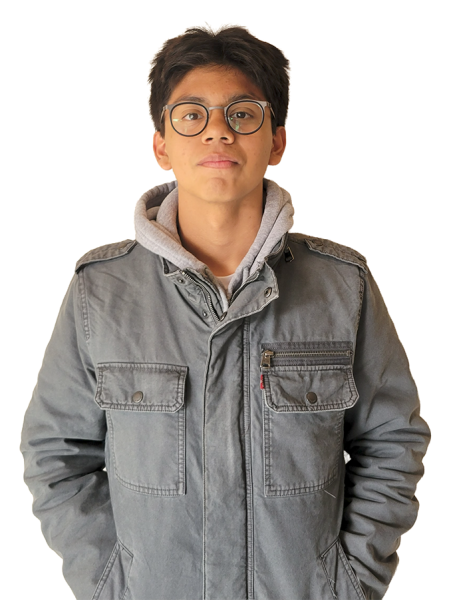
Emillo Acevedo, a Sophomore at PRHS, also a first-generation Chicano, grew up with similar pressures.
His family came from Tijuana, Mexico, driven mainly by
financial hardship and the hope of creating a better life. With Acevedo having an older brother who also experienced the American school system, his parents partially understood the normalities of America however, they still relied on Acevedo’s help, like asking him to translate important documents or understand the school’s expectations.
For Acevedo, being a Chicano had its own unique challenges. He also had troubles when he first arrived at our school, as teachers required him to be accompanied by a relative to simply watch how things went there. As he grew older, the expectations grew alongside him.
“They expect me to get straight A’s,” he said, describing how the bar is set high because his parents want him to take full advantage of the opportunities they never had.
Their hopes become his motivation, but also a constant reminder of the pressure many first-generation students feel daily. Despite these setbacks, Acevedo never gave up. He kept working towards the future.
Both Prado-Esteban and Acevedo’s journey illustrate the quiet, often unseen challenges of translating systems, carrying expectations, and redefining what is possible. In their success, we see more than grades or accolades; we see the reflection of parents who crossed borders with hope in their pockets,
trusting that their children would build a future brighter than their own.